Ingredient
What plant-derived PDRN actually does
The next-generation active behind visible firmness — decoded.
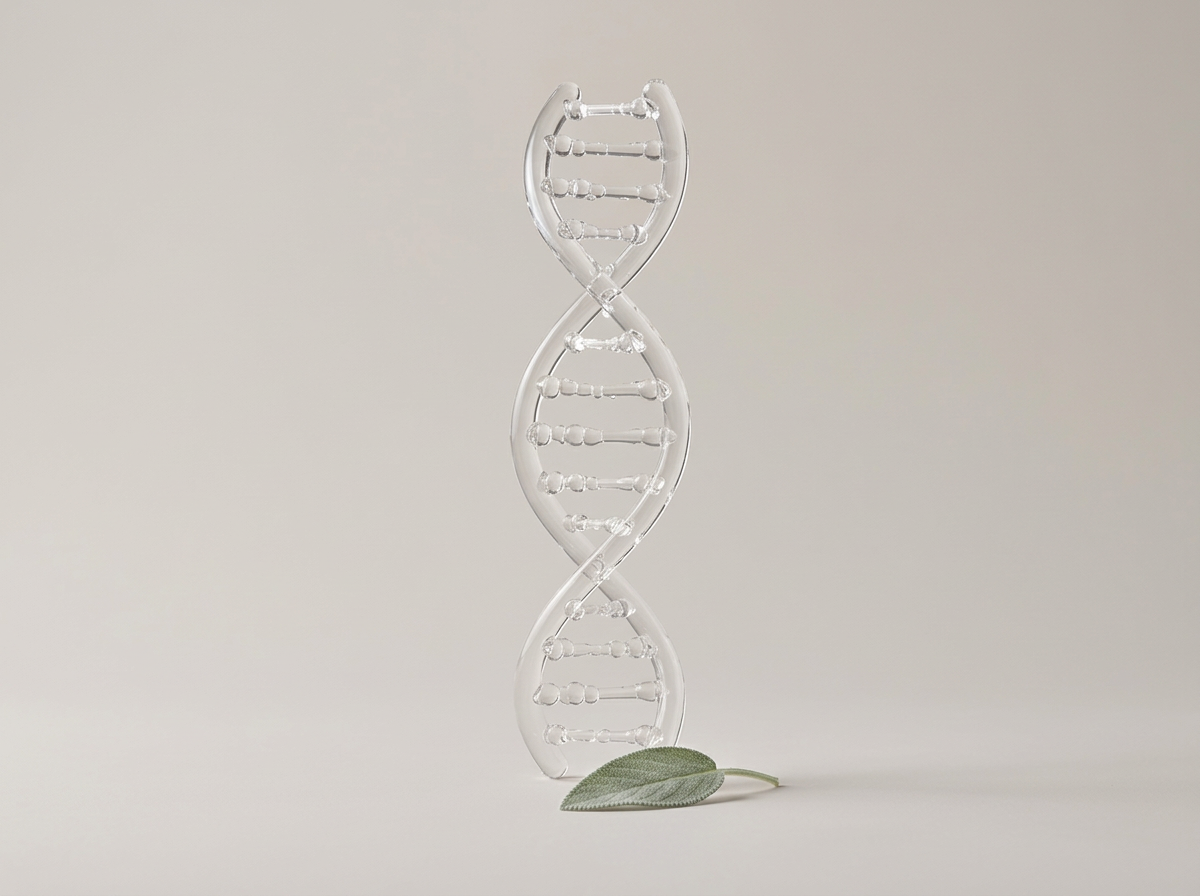
PDRN — polydeoxyribonucleotide — is a low-molecular-weight fragment of DNA that has been used in clinical skin regeneration for over two decades. Historically it was sourced from marine species. Plant-derived PDRN is different: it is cultured from botanical cell lines in a controlled bioreactor, meaning no animal input and a consistent, traceable molecular profile.
Inside the skin, PDRN binds to adenosine A2A receptors on fibroblasts. That interaction is thought to support the skin's own repair signalling — encouraging cellular turnover, moisture retention and the visible smoothing of texture over time.
Why we culture it, not extract it
Extraction depletes source material and produces batch-to-batch variability. Culturing PDRN inside a vessel means we can standardise every parameter: molecular weight, purity, endotoxin load. What lands in the formula is exactly what we intended.
In our Biolift Serum, PDRN sits alongside plant-derived exosomes and Centella Asiatica stem cell bioactives — three technologies that work on different but complementary parts of the skin's renewal cycle.
What lands in the formula is exactly what we intended.
What to expect on skin
Visible smoothing and a more even tone are typically reported inside four to six weeks of twice-daily use. PDRN is well tolerated on sensitive and post-procedure skin — one of the reasons clinicians reach for it. It layers cleanly under sunscreen and does not conflict with retinoids or vitamin C.