Living cells. Limitless potential.
Plant stem cell
biotechnology.
Inside every plant are cells that can become anything. We cultivate them as tiny biofactories — creating actives that are purer, more consistent and kinder to the planet.
Explore the Stem Cell Library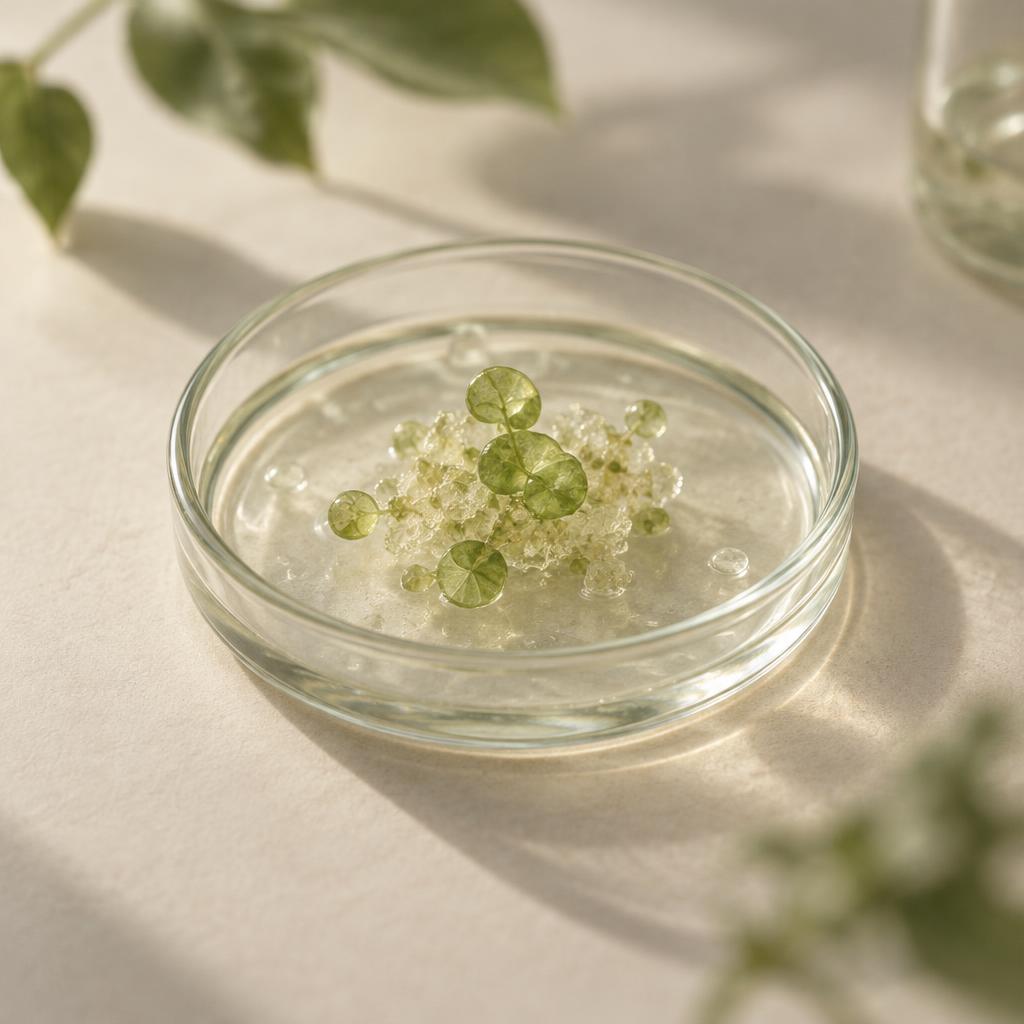
What is a plant stem cell?
A master cell — the origin of every leaf, root and flower.
A plant stem cell is one cell that can still become any cell in the plant — a leaf, a root, a flower — and keeps making identical copies of itself.
Plants keep a reserve of these cells for life. They use them to regenerate, repair damage and survive UV, drought and stress — and those same survival molecules are what skincare looks for.
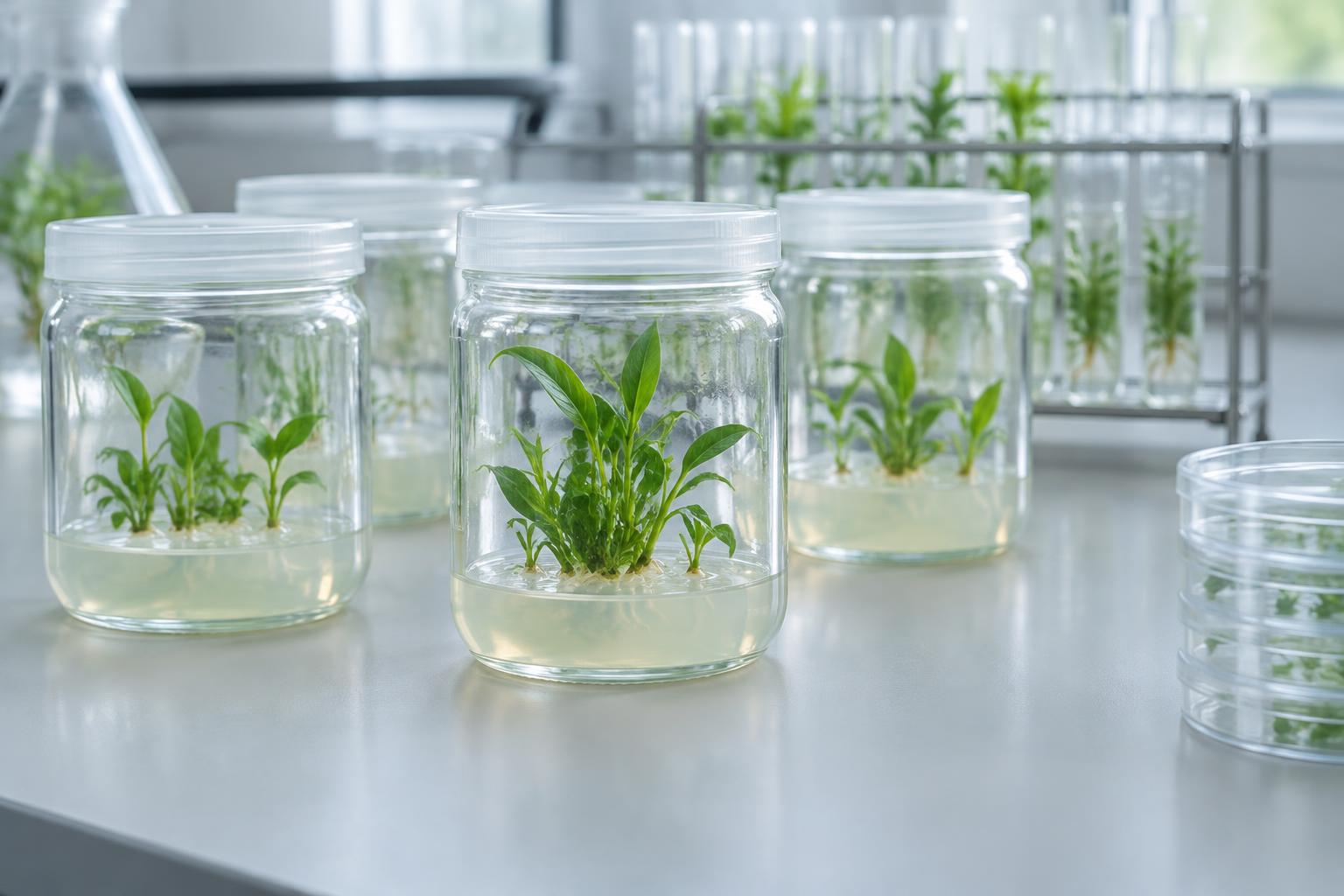
Plant cell biotechnology captures that potential. Rather than crushing whole plants for a diluted extract, we grow the cells themselves and direct them to produce exactly what skin needs.
- Master cell
- Can still become any cell in the plant
- Self-renewing
- Makes identical copies of itself
- Whole blueprint
- Carries the plant's full chemistry
Plant cell biofactories
Nature's chemistry, refined.
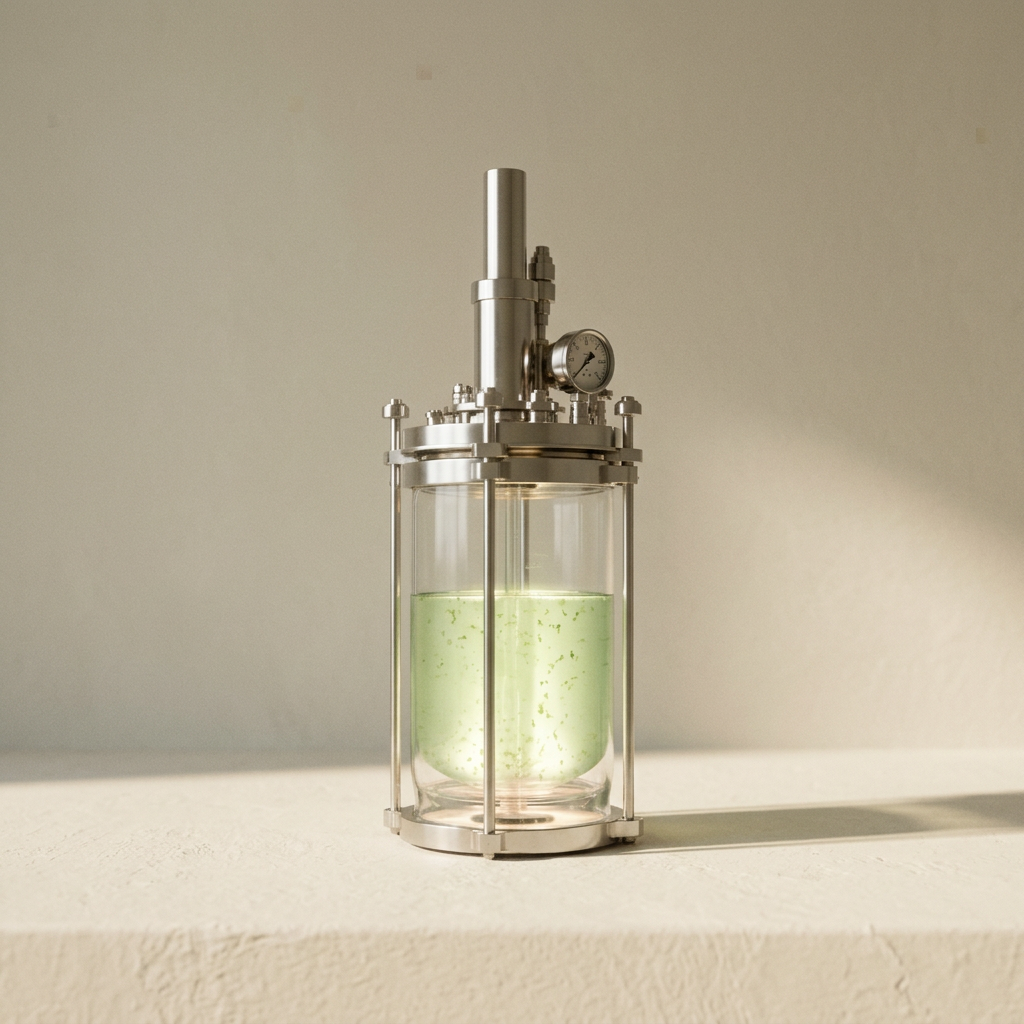
A biofactory is a living system: plant cells suspended in a nutrient-rich medium, multiplying under perfectly controlled light, temperature and oxygen. By fine-tuning these conditions, cells can be prompted to produce high levels of targeted actives — peptides, antioxidants and signalling molecules — that would be scarce or variable in the wild plant.
- 1
- small sample to start
- 0
- plants harvested
- ∞
- renewable cell line
Why it matters for your skin
A better way to source the actives that work.
Pure
Free from field contaminants
Cells grow in sterile, controlled conditions — no pesticides, soil residues or seasonal variation.
Consistent
The same active, every batch
Light, temperature and nutrients are precisely managed, so every harvest delivers a reproducible profile.
Concentrated
The plant's full potential
Cells can be guided to produce more of the protective molecules a plant only makes under stress in the wild.
Sustainable
Without harvesting the plant
A tiny sample is enough. No fields cleared, no rare species picked, far less water used.
Cellular communication
Plant-derived molecules. A biological response.
Through biotechnology, selected plant cells produce bioactive compounds. Some of these compounds can interact with the skin’s biological pathways—a concept sometimes described as “cellular communication.”
01
A plant-derived molecule
Cultivated plant cells are guided to produce bioactive compounds — peptides, antioxidants and signalling molecules.
02
It meets a receptor
Applied to skin, some of these compounds can fit with receptors on a skin cell's surface, like a key finding its lock.
03
The skin responds
That interaction can engage the cell's own biological pathways — what is sometimes described as cellular communication.
Conceptual illustration of ingredient-level mechanisms. Ingredient profiles differ; this describes how bioactive compounds can interact with skin.
From leaf to formula
Six stages. One living process.
- 01
Selection
A plant is chosen for a specific skin benefit and a small fragment of leaf or stem is taken — the plant itself is left to grow.
- 02
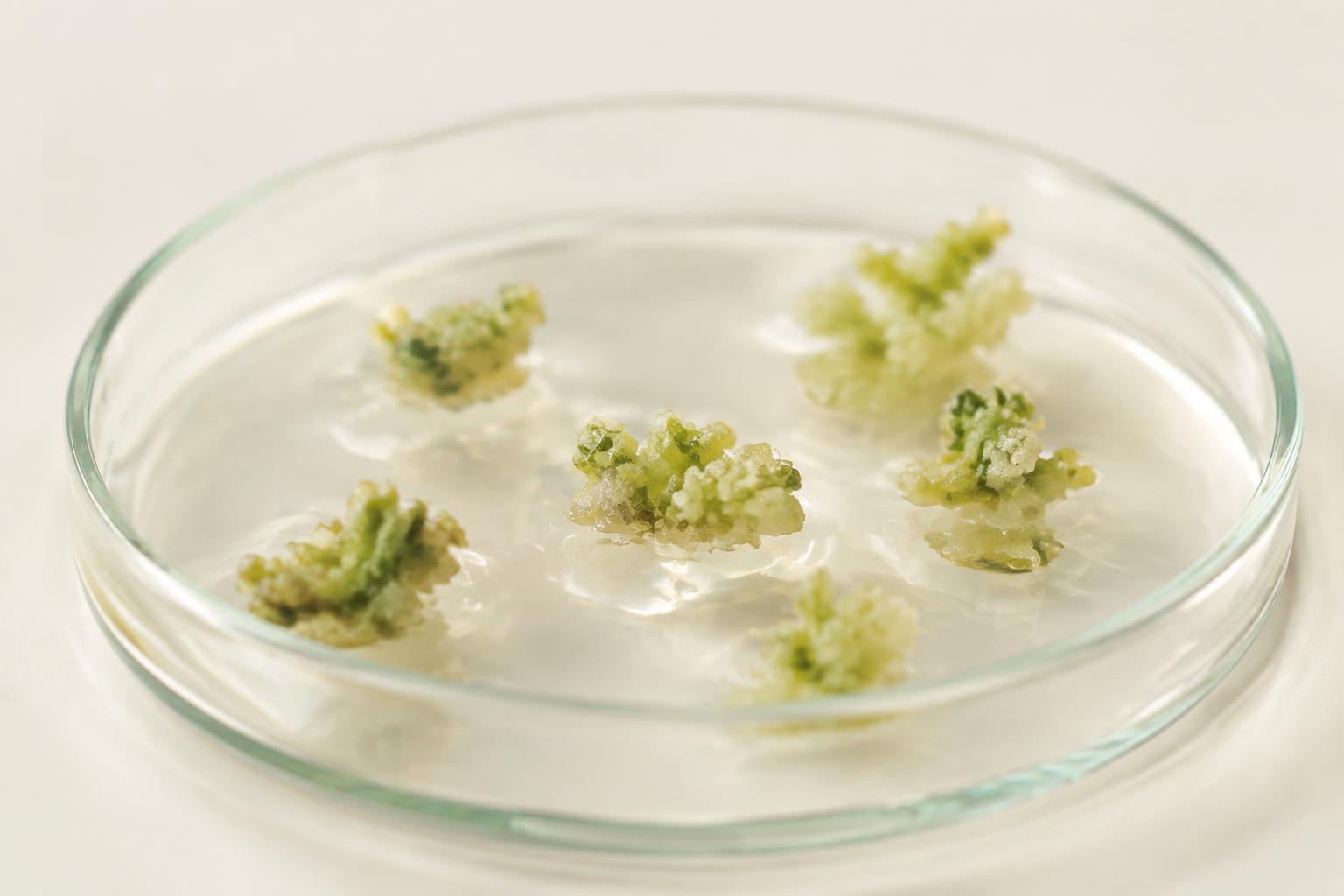
Awakening
Placed on a nutrient gel, the fragment forms a callus: undifferentiated cells with the potential to become any part of the plant.
- 03
Cell line
The most active, stable cells are isolated to create a dedicated cell line — a living library that can be renewed indefinitely.
- 04
Biofactory
Cells multiply in bioreactors, where conditions are tuned to switch on the production of the molecules skin needs.
- 05
Harvest
The cells and their content are gently collected, preserving the full spectrum of active compounds.
- 06
Active
The result becomes a pure, standardised ingredient — then formulated into Trademark HIM and HER by our cosmetic chemists.
Plant stem cell biotechnology
There’s more to plants than an extract.
A traditional extract skims the surface — the familiar botanical compounds at the tip of the iceberg. Plant stem cell biotechnology reaches everything beneath: plant peptides, extracellular vesicles, exosomes and plant-derived PDRN, cultivated in full.
Above the waterline — what a traditional extract gives you.
Below — what plant stem cells hold.

Why plant stem cells win
More potent, and doing more for skin
Potency isn’t about pouring more of the same into a jar. It’s about how many useful molecules reach the skin — and whether they arrive the same way every time.
| Conventional extract | Plant cell biotechnology | |
|---|---|---|
| Source | Whole plants grown and harvested in fields | A tiny sample of the plant’s most active cells, cultivated in the lab |
| Potency | Whatever the plant happens to produce, at whatever level | Conditions are tuned so the cells make more of the molecules skin needs |
| What’s inside | The familiar compounds on the surface of the plant | Everything beneath them — plant peptides, extracellular vesicles, exosomes and plant-derived PDRN |
| What it does | One botanical, doing one narrow job | Many actives in play at once — firming, calming, barrier repair and even tone |
| Purity | Possible pesticide, soil or heavy-metal residues | Sterile, controlled conditions — nothing to wash off |
| Consistency | Varies with soil, weather and every season | The same active profile, batch after batch |
| The planet | Farmland, large volumes of water, full harvests — and over-harvesting risk as demand grows | Minimal land and water. The plant keeps growing — never picked, never depleted |
The Stem Cell Library
Meet the plants
behind the science.
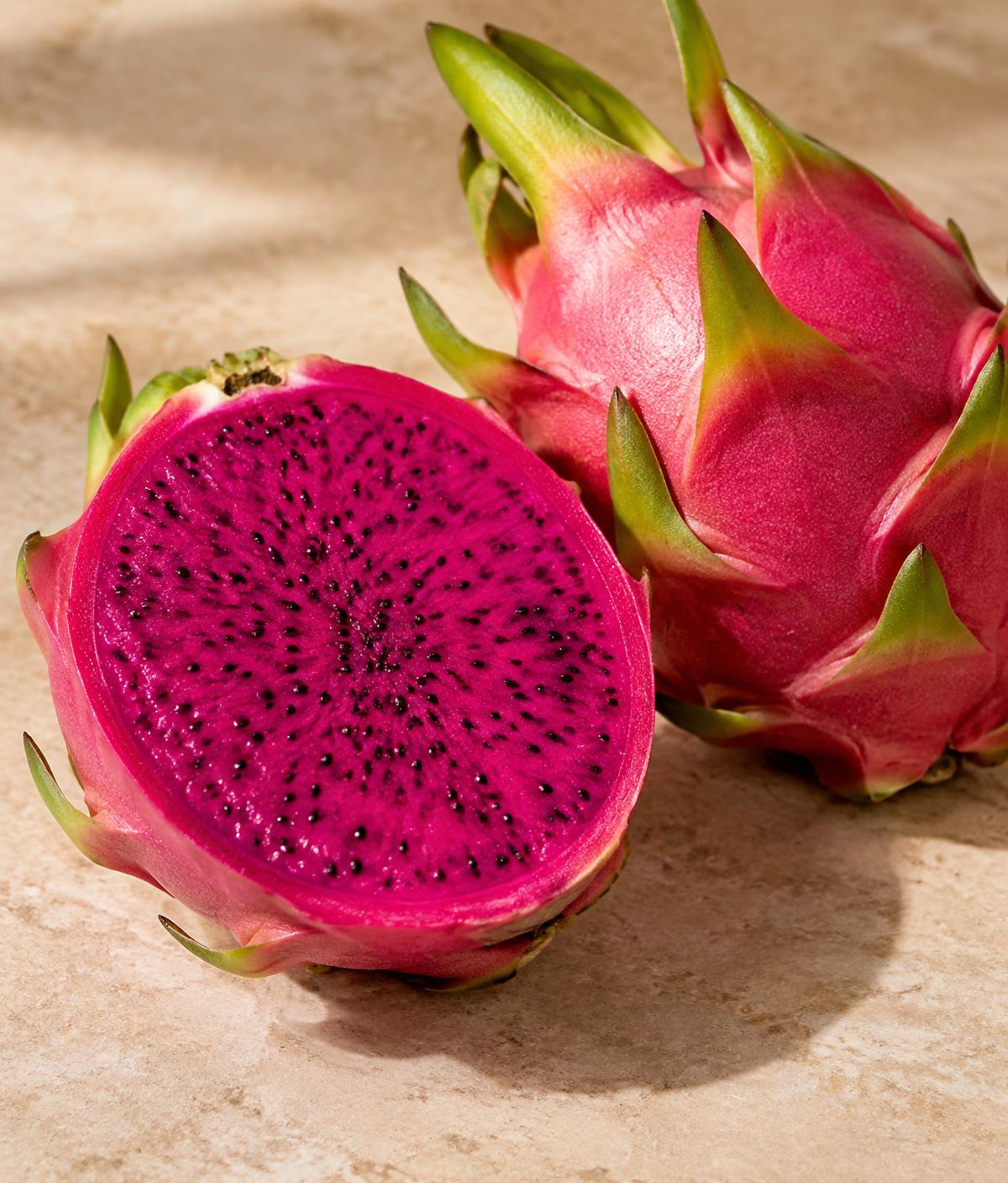
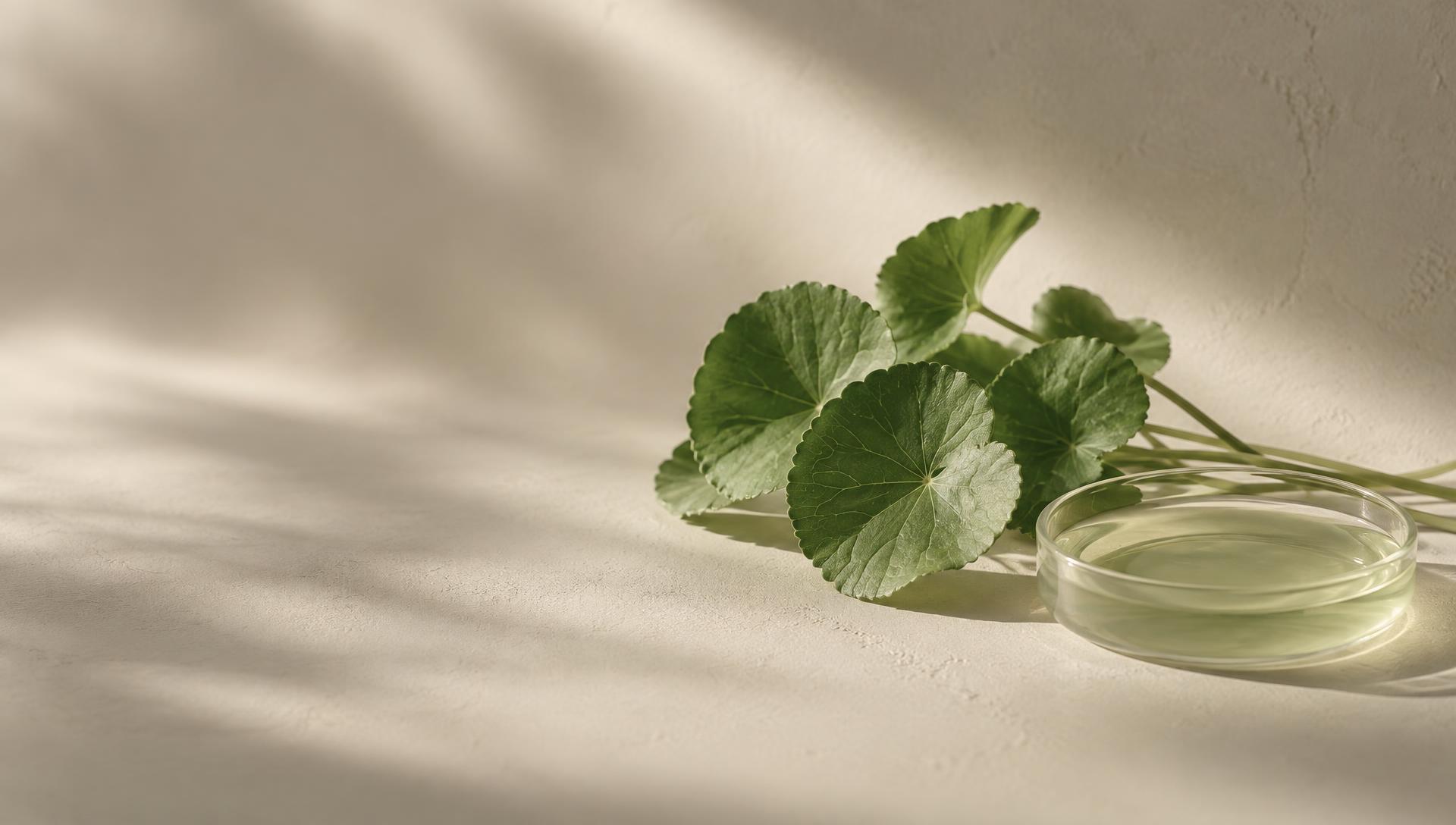
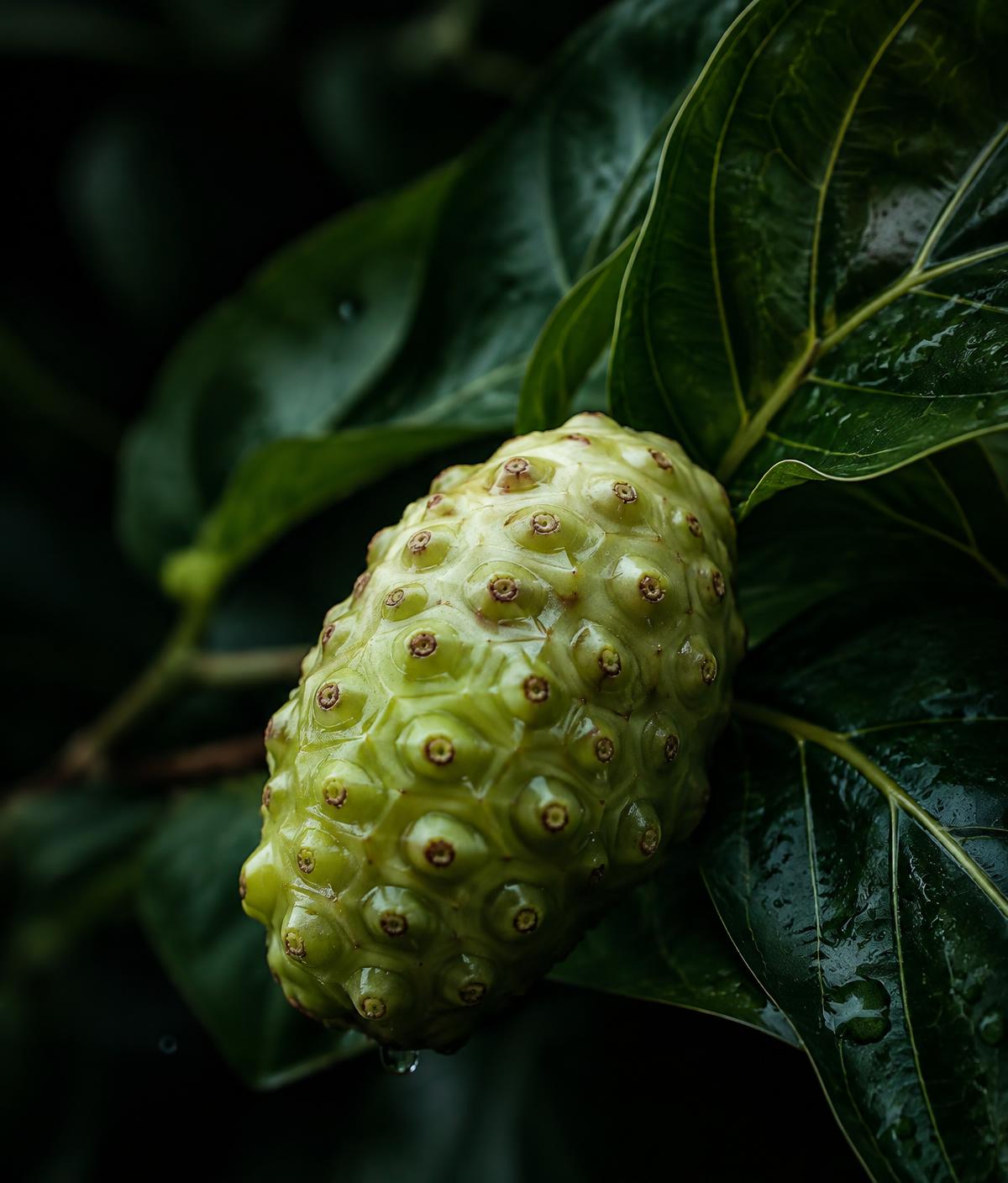
Each stem cell active begins with a remarkable plant. Explore their stories, one by one.






In Trademark formulations
Biotechnology, formulated for two biological systems.
Selected Trademark HIM and HER formulations are built around plant stem cell actives, paired with formulation expertise from our award-winning cosmetic chemists — tailored to the distinct needs of male and female skin.