

The Stem Cell Library — No. 02
Grapevine. Cellular fasting.
A familiar vine. A remarkable new role. Grapevine plant stem cell biotechnology takes inspiration from the way cells refresh themselves — for skin that looks smoother, more hydrated and more radiant.
No skipping meals. No starving your skin. Just a fasting-inspired approach to the skin’s own renewal processes.
The idea, made simple
Give cells a chance to tidy up.
Think of a cell as a busy workspace. Over time, worn-out parts build up. Cells have their own recycling process to break down some of that material and reuse what is useful. Scientists call it autophagy — simply, cellular recycling.
Fasting can influence this process. Grapevine biotechnology is designed to mimic selected fasting-related signals in skin cells, without changing what you eat. Laboratory research on the active found changes in markers associated with this recycling process.
“Cellular fasting” describes an ingredient research concept. It does not mean dietary fasting, removing skincare or replacing your skin’s need for moisture and daily sun protection.

The plant
A vine built to adapt.
Vitis vinifera — the grapevine — produces protective compounds to respond to environmental stress. One of its best-known molecules is resveratrol.
The story here goes beyond grape juice or a conventional grape extract. Selected grape flower cells are cultivated in controlled conditions to produce a blend of protective and signalling molecules, including resveratrol, peptides and plant exosomes.
The goal is not to turn plant cells into skin cells. It is to explore what their molecules can do.
How the idea connects
From a plant’s defences.
To a cell’s fresh start.
Plant-derived molecules
Cultivated grapevine cells produce a blend of bioactive molecules — the active parts of the ingredient.
Cellular recycling signals
Laboratory studies explore how the active influences the pathways cells use to clear and recycle worn-out material.
Visible skin quality
Separate studies of the active measured changes in radiance, hydration, texture and wrinkle depth.
A simplified explanation, not a depiction of proven delivery into skin. Laboratory mechanisms and visible study outcomes are different types of evidence.
Inside the active
Not one molecule.
A botanical team.
The grapevine active brings together several types of plant-derived compounds. Here is what those scientific names mean.
More than an antioxidant
Resveratrol
A protective molecule the grapevine makes in response to stress. Alongside its antioxidant role, the research explores how it may influence signals involved in cellular upkeep.
Small molecules. Meaningful signals.
Peptides & proteins
Peptides are short chains of building blocks called amino acids. Some act as signals that can interact with the pathways skin cells use to maintain themselves.
Tiny natural packages
Plant exosomes
Very small particles released by plant cells, carrying molecules such as peptides. This grapevine active contains these plant-derived packages; they are not human stem cells.
The plant’s protective toolkit
Polyphenols
A family of plant compounds, including resveratrol, associated with antioxidant activity. Antioxidants help counter the everyday chemical stress that can affect cells.
What the laboratory explored
The upkeep behind the glow.
Cellular recycling
Changes in LC3, a marker used to study autophagy, suggest activity in the cell’s own recycling system.
Cell longevity markers
Research also explored protection of telomeres — the protective ends of chromosomes — as a marker of cellular maintenance.
Pigment build-up
Laboratory work examined lipofuscin, a pigment that can accumulate in ageing cells, and melanin, the pigment responsible for skin colour.
These are ingredient-level laboratory findings, not proof that a skincare product extends human lifespan, reverses ageing or changes DNA.
Proven on skin
A glow you can put numbers to.
In clinical studies of the Grapevine stem cell active, precise measuring instruments — not opinions — recorded the difference in radiance, smoothness, hydration and wrinkle depth.
+30.7%
Skin radiance
Measured at 56 days — skin visibly more luminous and glowing.
−13%
Skin roughness
Measured at 56 days — skin texture visibly smoother and more refined.
+24.5%
Skin hydration
Measured at 28 days — skin noticeably more hydrated and comfortable.
−12.6%
Wrinkle depth
Measured at 28 days — wrinkles visibly softened and reduced in depth.
Independent clinical studies of the Grapevine stem cell active ingredient, applied twice daily and measured over 28 to 56 days.
What about uneven tone?
A study of 66 volunteers reported a 9% reduction in dark-spot intensity at 56 days. In a separate 22-person panel, the melanin measurement decreased by 5.2% over the same period.
When were changes measured?
Hydration and wrinkle changes were measured at 14 and 28 days, while radiance and texture were followed over 28 and 56 days — visible change, tracked over time.

The goal
What is “glass skin”?
Glass skin is a simple idea: skin so smooth, hydrated and even-toned that it reflects light — like glass. No filters, no shimmer. Just skin at its clearest and most luminous.
It is the look the Grapevine active was designed around. By supporting the skin’s own renewal processes, the ingredient studies measured the exact qualities that create it:
Smooth
Refined texture lets light bounce evenly off the surface.
Hydrated
Well-hydrated skin looks plump, supple and translucent.
Radiant
A more even tone gives that lit-from-within glow.
“Glass skin” describes a cosmetic appearance goal — smoother, more hydrated, more radiant-looking skin — not a medical outcome.
Grown, not picked
A tiny sample.
A renewable culture.
Plant cell biotechnology starts with a small sample, rather than repeated harvests of whole plants. Selected cells are grown with carefully managed nutrients and conditions, creating a repeatable source of the active’s molecules.
The resulting ingredient is a grape flower cell extract. The cultivated cells are used to produce the ingredient — you are not applying living plant stem cells that become part of your skin.
Explore the sustainability story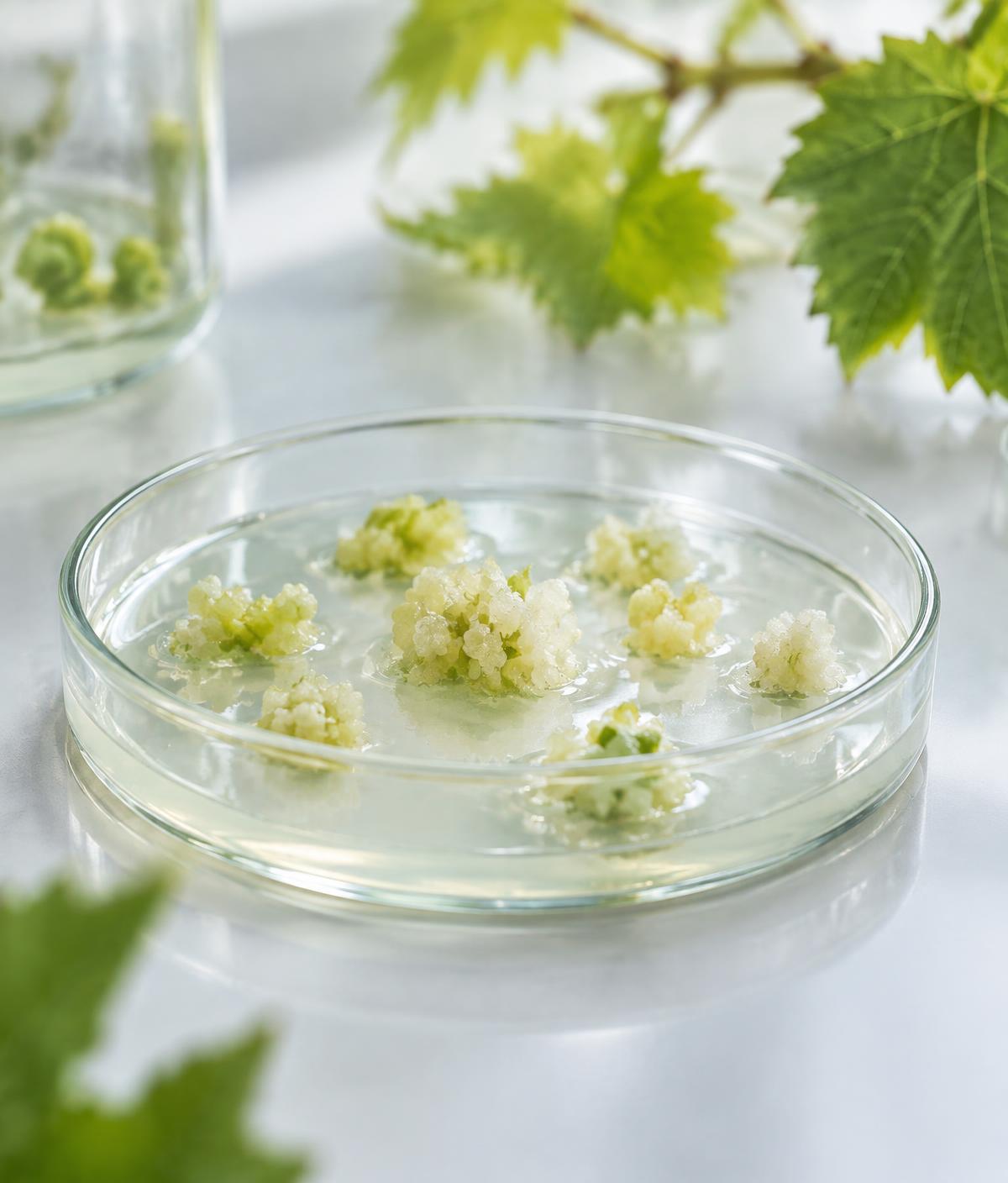
Where to find it
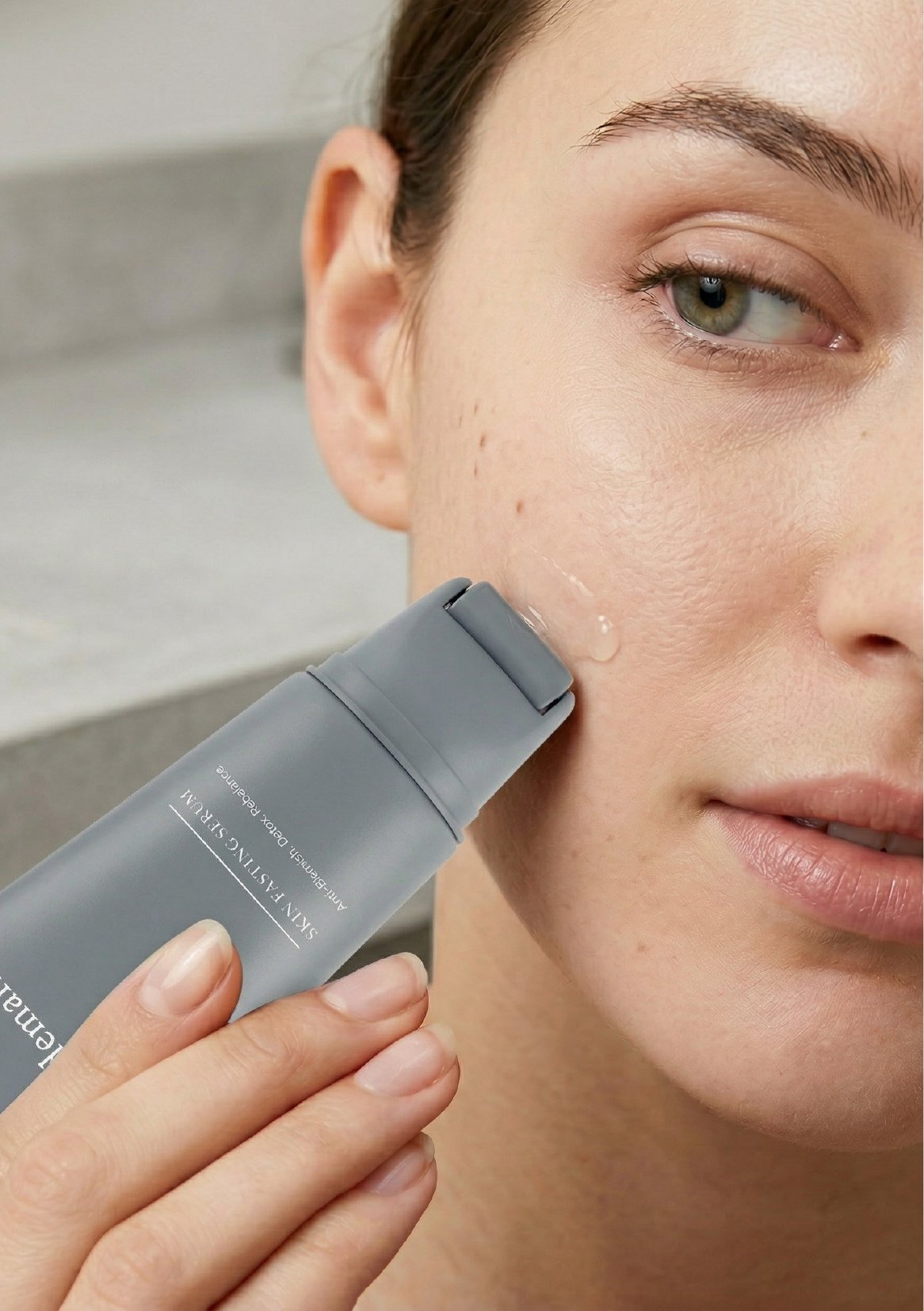
Meet Skin Fasting Serum.
Grape flower stem cell biotechnology features in HER Skin Fasting Serum, alongside Noni and Centella Asiatica actives. Its formula is designed to help visibly clarify, rebalance and refine the complexion.
Grapevine biotechnology also features in HER Glass Skin Milk — PDRN Facial Essence, a hydration-focused formula for smoother, luminous-looking skin.
A little more clarity
Your Grapevine questions.
Does “cellular fasting” mean I skip meals?
Not at all. Fasting describes how the plant cells behave in the lab — the way they recycle and refresh themselves under careful conditions. It's a scientific inspiration for the ingredient, not a diet, and nothing about how you eat or live changes.
Are the exosomes in this ingredient human stem cells?
No. The tiny packages in this grapevine active are plant-derived, released by cultivated grape cells. They carry plant molecules such as peptides. There are no human cells, and no living plant stem cells become part of your skin.
Is this the same as grape seed or grape skin extract?
Both come from the same plant family, but they're made differently. A traditional extract is pressed or soaked from plant material; this active is grown as cultivated plant cells under controlled conditions, so its composition — including peptides and plant exosomes — can differ from an ordinary extract.
How quickly should I expect to see results?
The ingredient studies measured radiance and texture at 56 days, and hydration and wrinkle depth at 28 days. These are ingredient-level figures — real-world results depend on the finished formula and how consistently you use it.
Can I use it alongside my other products?
Yes. It sits comfortably in a normal routine. As with any active, apply it to clean skin and follow with moisturiser, and introduce new products gradually if your skin is sensitive.