−54%
S. aureus
The microbe linked with flare-ups and irritation dropped by more than half on the treated side after 30 days.
The Stem Cell Library — No. 04
Bacteria talk before they cause trouble. The Noni fruit has spent millions of years learning to jam that conversation. Biotechnology lets us bottle it for skin.
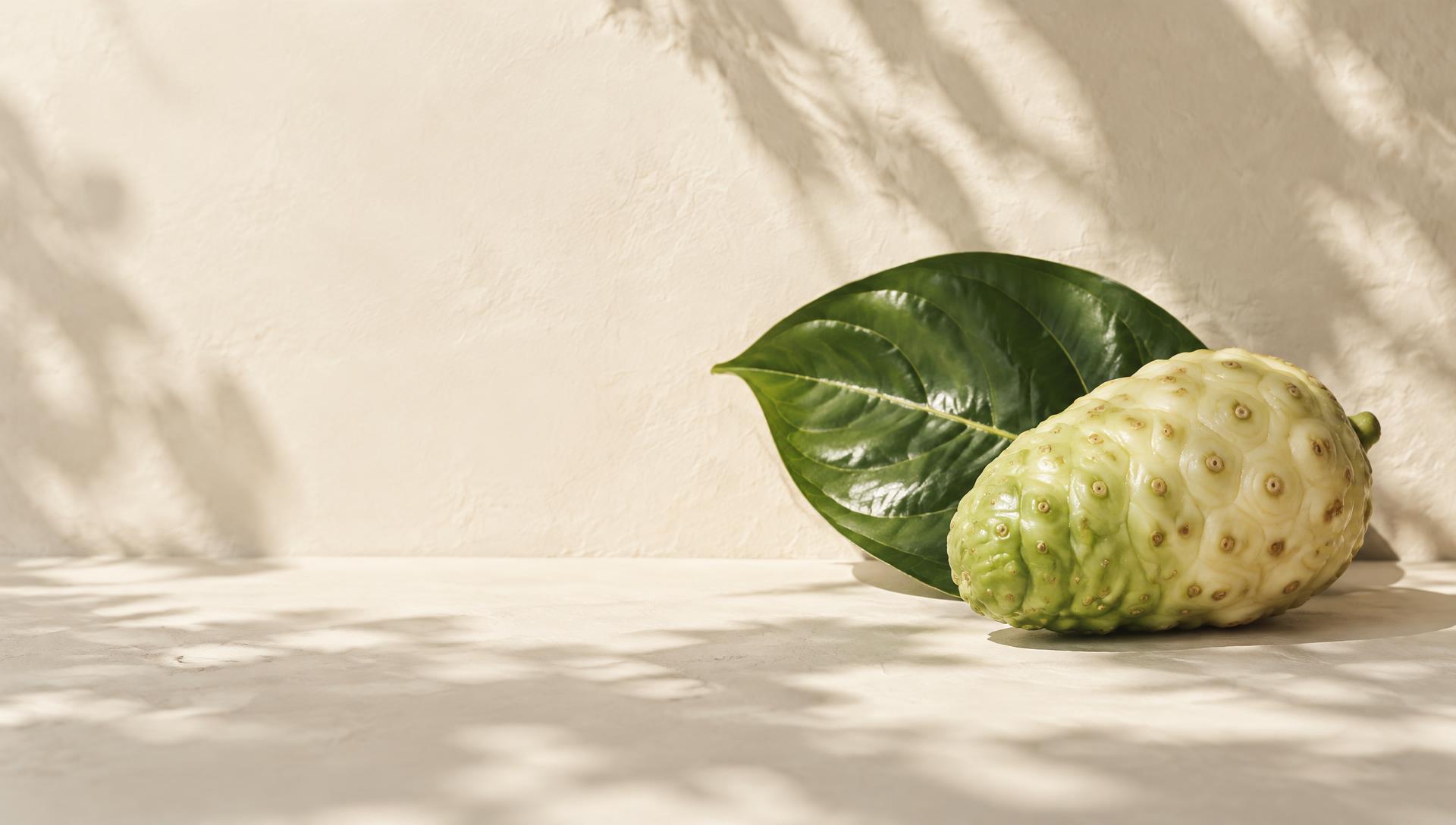
A fruit you've never liked. For good reason.
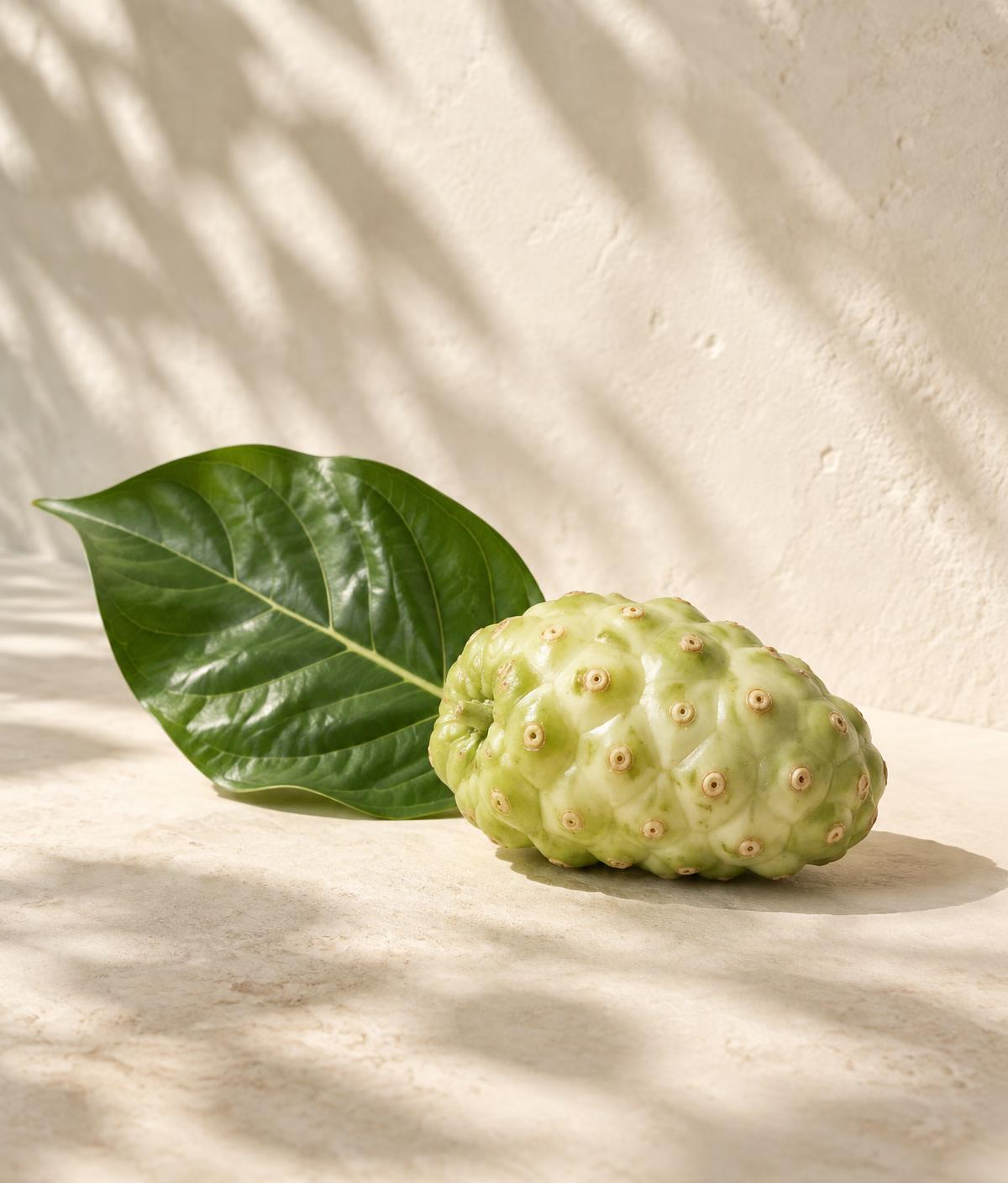
Noni (Morinda citrifolia) grows across the Pacific, where it has been used for generations. Its true talent isn't taste: in the wild, the plant constantly fights off bacteria and fungi without wiping them out. It produces molecules that scramble the way microbes talk to each other, quietly stopping groups from organising an attack.
Growing selected Noni plant cells under controlled conditions concentrates exactly those molecules. That is what makes it into your skincare.
The headline number
−99%
A biofilm is what bacteria build once they've agreed to gather — the sticky film behind congested pores, scalp troubles and body odour. In laboratory tests, the Noni active stopped that gathering by up to 99% in the studied strains.
The remarkable part: the bacteria were still alive. Nothing was nuked. The crowd simply never formed — the gentlest possible way to quiet a troublemaker.
Laboratory findings on the studied ingredient. Biofilm results were measured in laboratory tests: up to −99% for C. acnes and S. aureus, −98% for M. furfur and −99% for C. striatum.
−89%
signal-gene activity
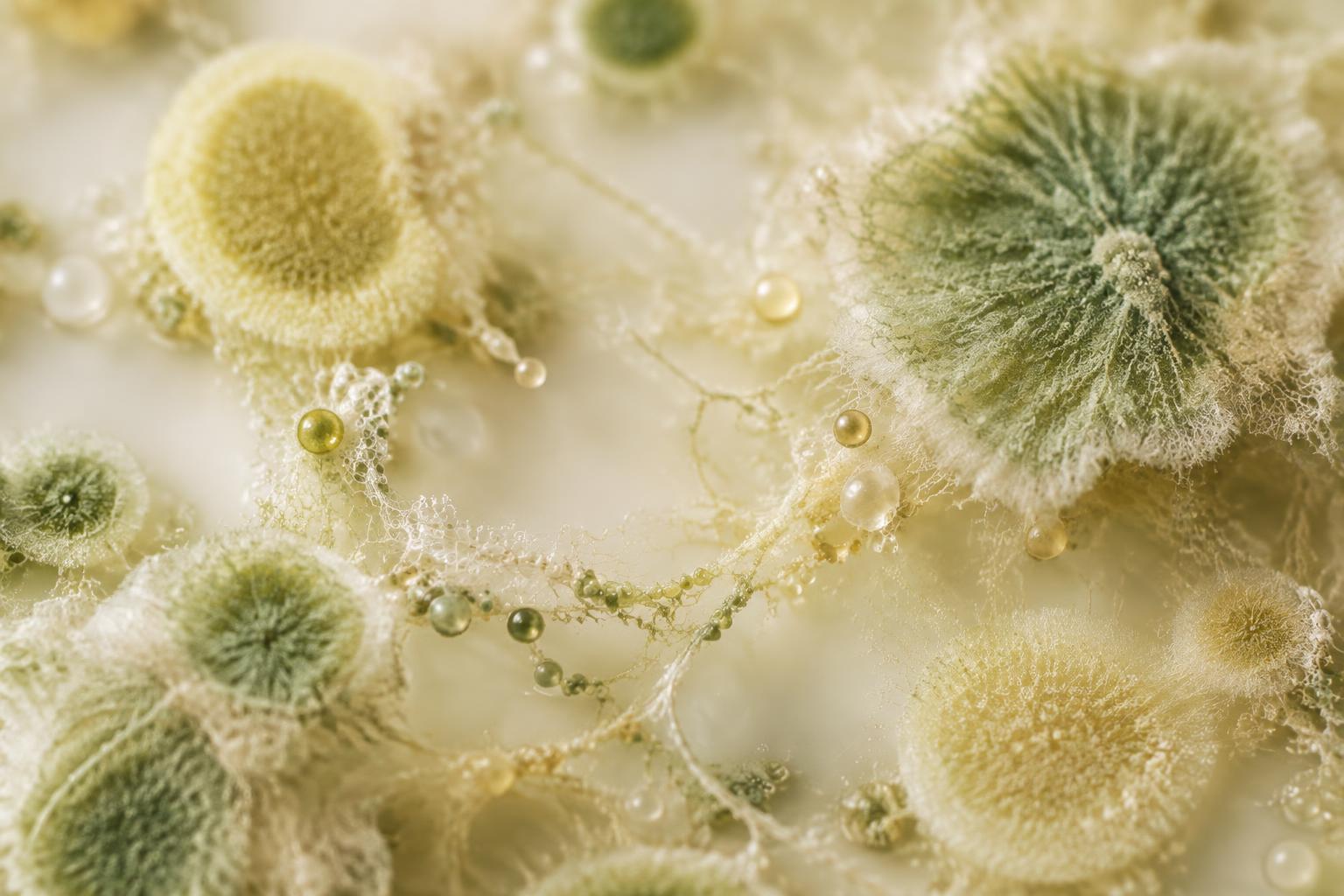
Conceptual illustration of microbial colonies spreading across a culture field.
How bacteria organise
One microbe alone is harmless. Trouble starts when a population grows and switches on together — scientists call this quorum sensing. Each bacterium releases tiny chemical signals, and once enough of them pile up, the group coordinates: sticky biofilms form, irritating compounds get released, and skin reacts.
Noni plants defend themselves with anti-quormones — molecules that flood the conversation with noise. The signals never add up, the group never coordinates, and the problem never starts. The laboratory measurement behind this: the gene bacteria use to make those signals was −89% less active in the tested strain.
Inside the active
Stops the coordination
Anti-quormone molecules from the Noni cells cut the signal exchange between bacteria. Less coordination means fewer organised colonies taking hold.
Biofilms discouraged
Without coordination, bacteria struggle to build the sticky biofilms behind congestion, scalp troubles and odour. In the lab, formation dropped by up to 99%.
Works on the response too
When skin's own alarm receptors overreact, irritation follows. The active was studied for its effect on one of those receptors, with an inflammatory marker falling to −46% in laboratory conditions.
Your skin's living ecosystem
Your skin is home to trillions of microbes living together in a community scientists call the microbiome. When the mix is balanced, it's your first line of defence. When harsh cleansers, stress or sweat tip the balance, a few rowdy species take over — and congestion, flare-ups and odour follow. The goal isn't a sterile face. It's a well-tended garden: keep the helpful residents thriving, and the troublemakers never get the numbers to cause trouble.
−54%
S. aureus
The microbe linked with flare-ups and irritation dropped by more than half on the treated side after 30 days.
−50%
C. acnes
The bacterium associated with congested, blemish-prone skin fell back in the same study.
+1.2%
S. epidermidis
The microbe associated with healthy, calm skin held its ground — and even grew slightly. The helpers stayed; the troublemakers left.
A prebiotic, not a pesticide.
Most "anti-bacterial" skincare works like a weedkiller — it wipes out everything, helpers included, and the garden has to start over. The Noni active works like a prebiotic: it changes the environment so the friendly species do well and the rowdy ones can't organise. That's why the bacteria in the biofilm tests were still alive at the end — they just never formed a crowd.
Why balance beats "clean".
Skin that's been stripped too clean often rebounds — more oil, more sensitivity, more breakouts. By keeping the helpful microbes in place while quieting the ones behind congestion and odour, the microbiome approach aims for skin that stays calm on its own, rather than skin that needs rescuing again tomorrow.
Microbiota figures from the ingredient's 30-day clinical study (twice daily, 20 volunteers with acne-prone skin, measured by tape stripping versus placebo). Results describe the tested ingredient formulation; individual outcomes vary.

The odour application
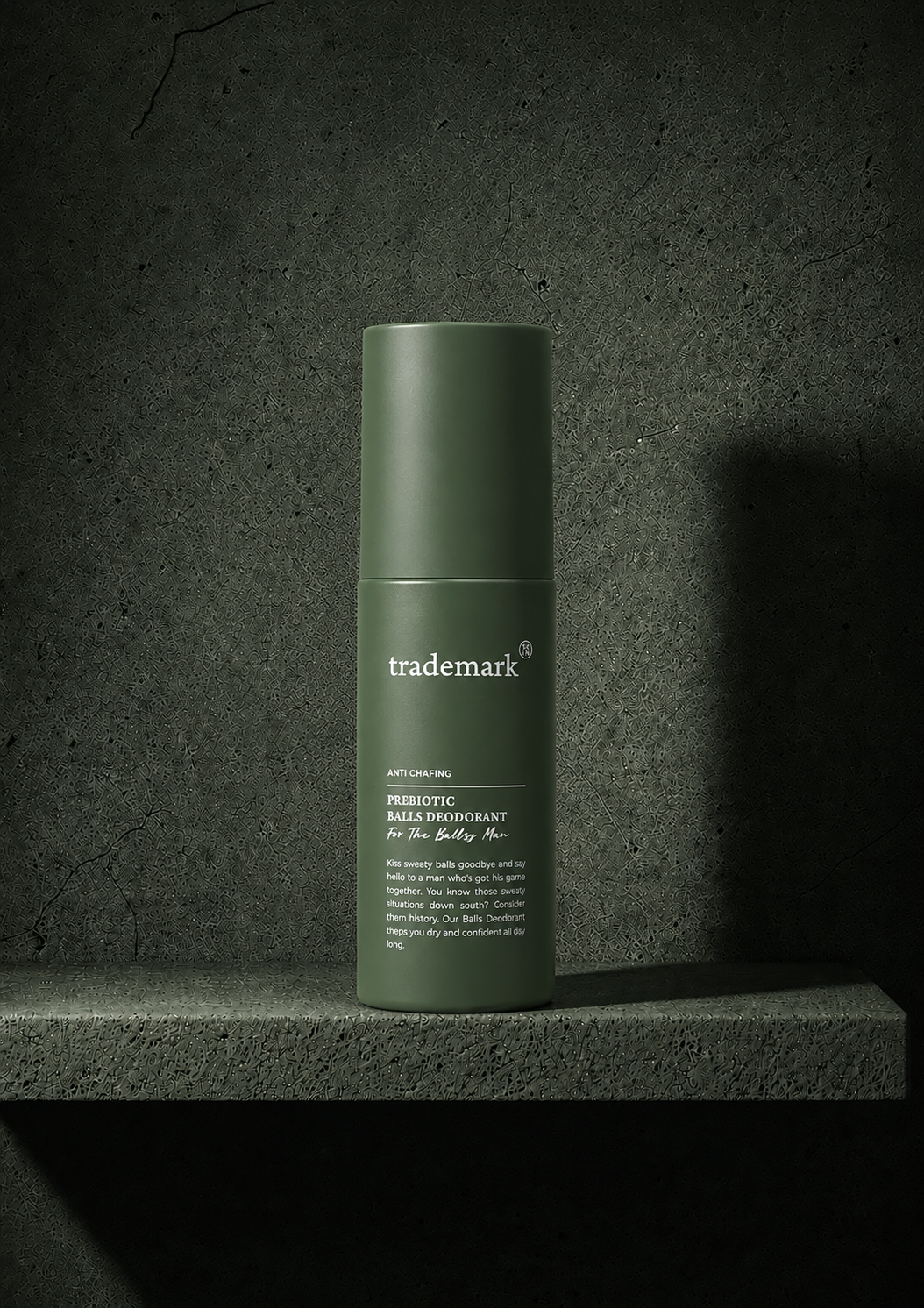
Sweat doesn't smell. Odour is what skin bacteria produce after digesting your sweat. Instead of masking the smell or blocking sweat, Noni jams the bacteria's coordination — so there's less smelly by-product to begin with. And it was confirmed not to change your natural rate of perspiration. It's the reason the Prebiotic Balls Deodorant and the Hand & Body Lotion for men can tackle odour without stopping sweat.
−30%
Underarm odour
Average reduction after about three days; strongest result −82%.
−22%
Foot odour
Average reduction in the same study; strongest result −47%.
100
Smell molecules measured
The lab tracked 100 different odour molecules. The ones behind body odour fell by more than half on the treated side — while sweat itself stayed exactly the same.
Odour studies tested the Noni active against a placebo on underarm and foot odour intensity. Odorous-molecule analysis covered 100 compounds, with groups like aromatic alcohols and lactones reduced by more than half on the treated side. These are ingredient-level results; a finished deodorant's performance depends on its own formula.
Measured on skin
A clinical study tested the Noni active twice daily on acne-prone skin, comparing one side of the face with a placebo for 30 days across 20 volunteers aged 12–29.
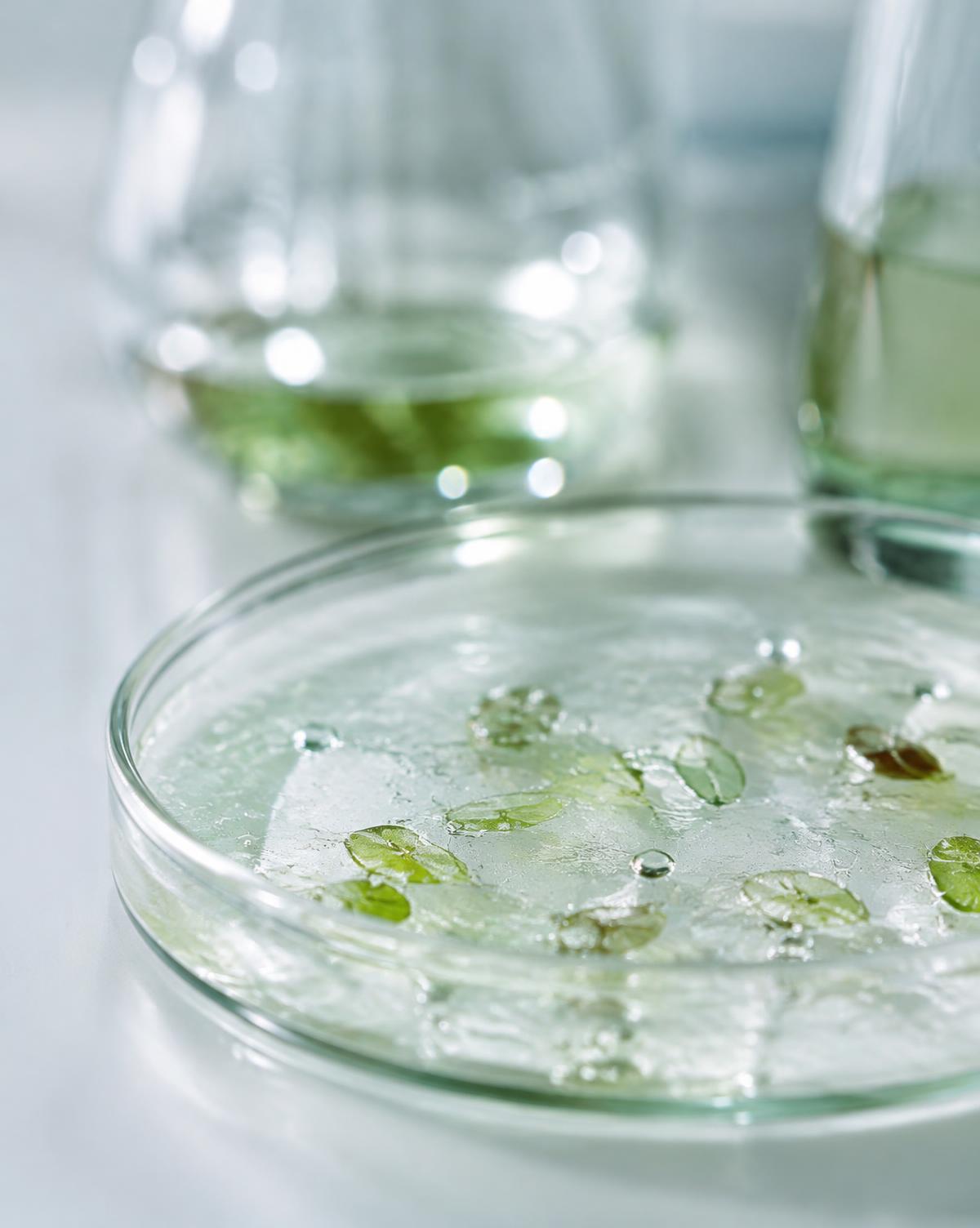
−28%
Average reduction after 30 days, with individual results up to −62%. Oil came down without the skin feeling dried out.
−48%
Average reduction in the measured pore area after 30 days — with the strongest individual result reaching −92%.
−15%
Average reduction in visible open blockages in pores after 30 days, with individual results up to −80%.
−54%
The microbe associated with flare-ups and irritation dropped by more than half on the treated side after 30 days.
Ingredient study, applied twice daily, 20 volunteers aged 12–29 with acne-prone skin over 30 days, one side of the face versus placebo. Microbiota measured by tape stripping: Staphylococcus epidermidis, a microbe associated with healthy skin, increased slightly (+1.2%) while S. aureus (−54%) and C. acnes (−50%) decreased. Results describe the tested ingredient formulation; individual outcomes vary.
Notice what didn't happen: nothing was sterilised. The microbe linked with healthy, calm skin held steady, while the two associated with irritation and congestion fell back. That is what a balanced microbiome looks like — the mix shifted, not the total.
The sebum reduction was statistically significant versus placebo, and the study describes it as sebum control without drying the skin. For blemish-prone skin, that combination — less oil, no stripped feeling — is exactly the balance people look for.
Grown, not repeatedly harvested
The process begins with a small plant sample. Selected Noni cells are cultivated with carefully managed nutrients and conditions, creating a repeatable source of the active's anti-quormone molecules.
This approach reduces reliance on repeated whole-fruit harvests. It also lets researchers study the cell culture's signalling behaviour in detail, rather than relying on a fruit extract that changes with the season.
Explore the sustainability story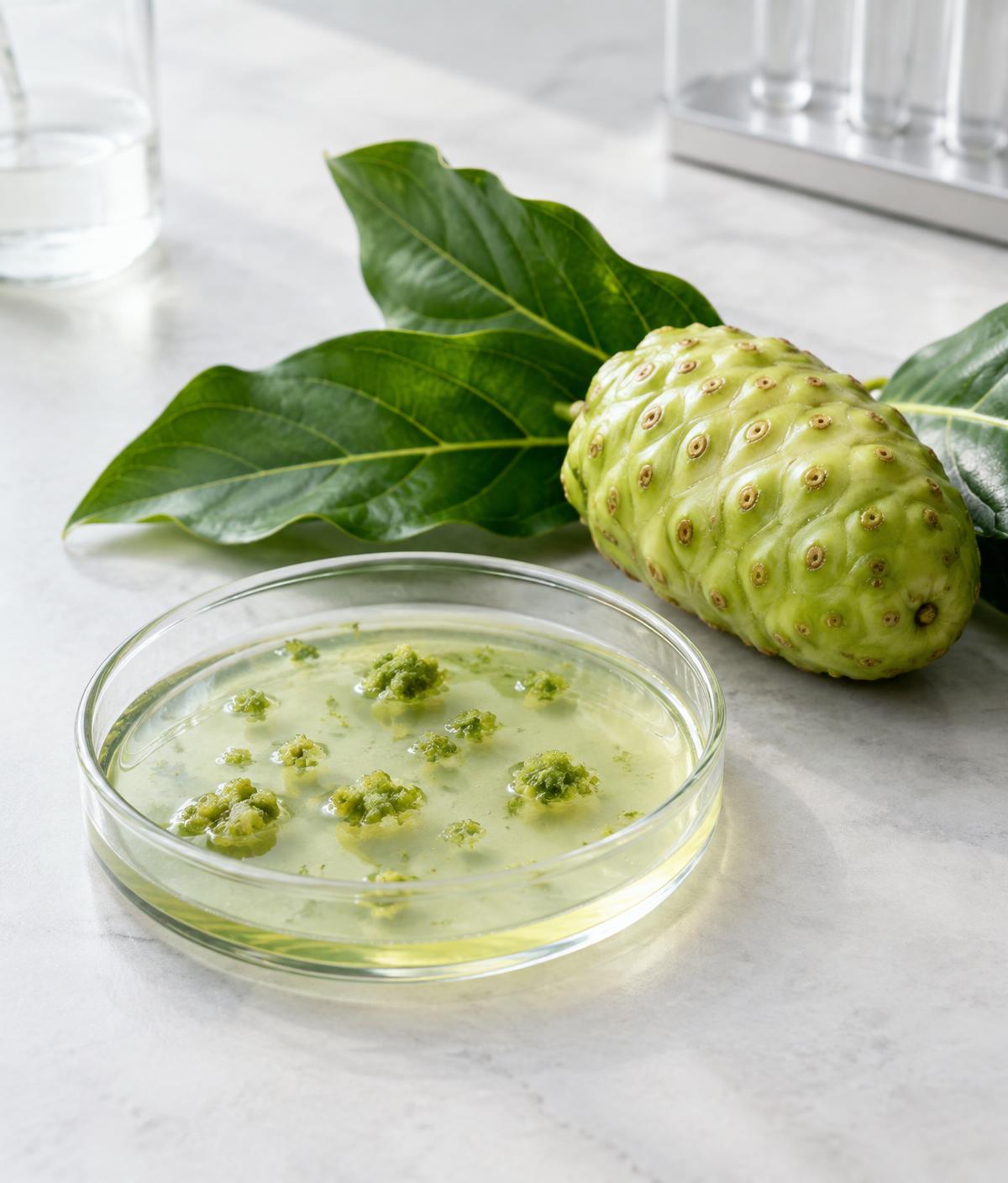
Where to find it
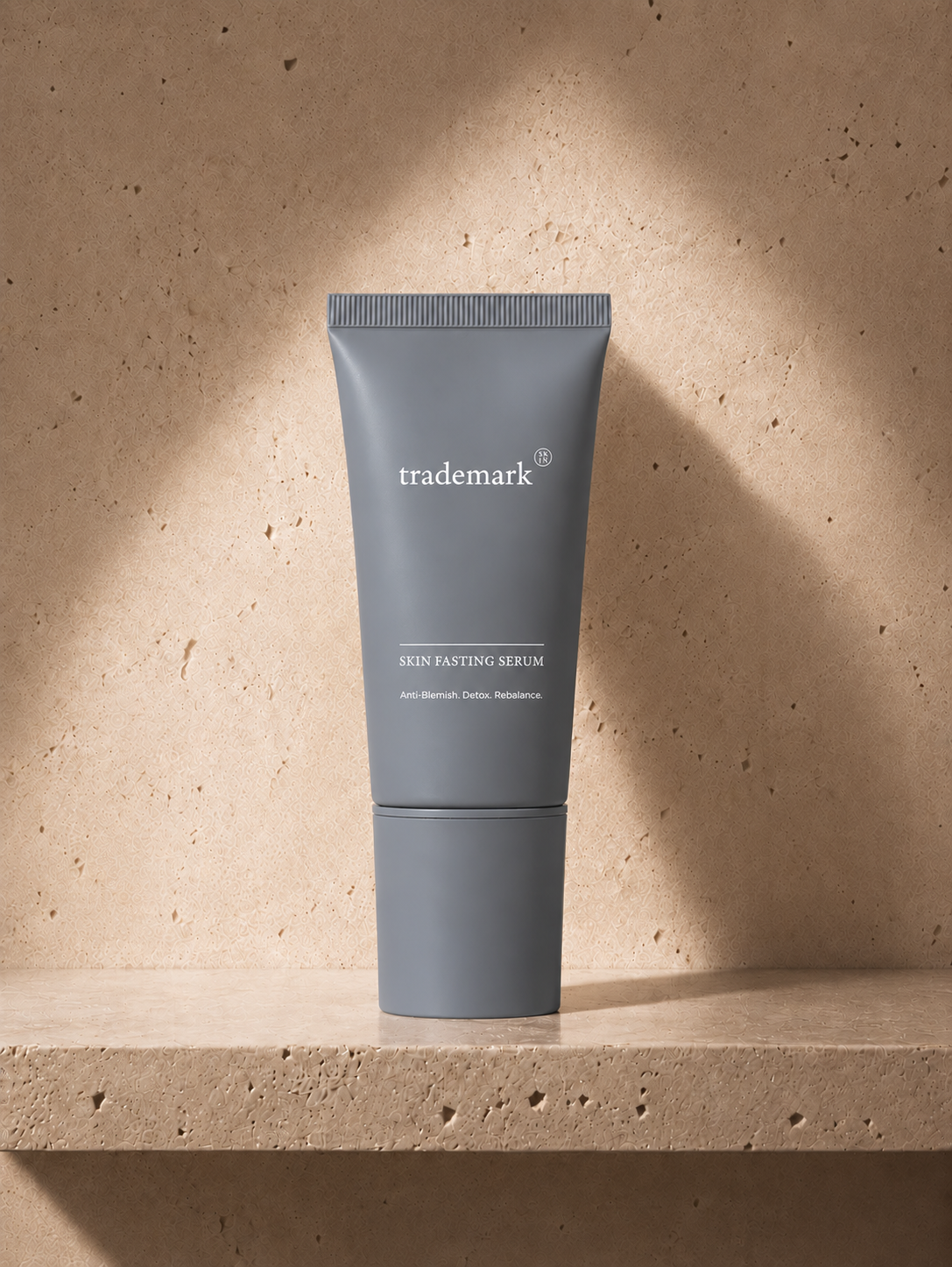
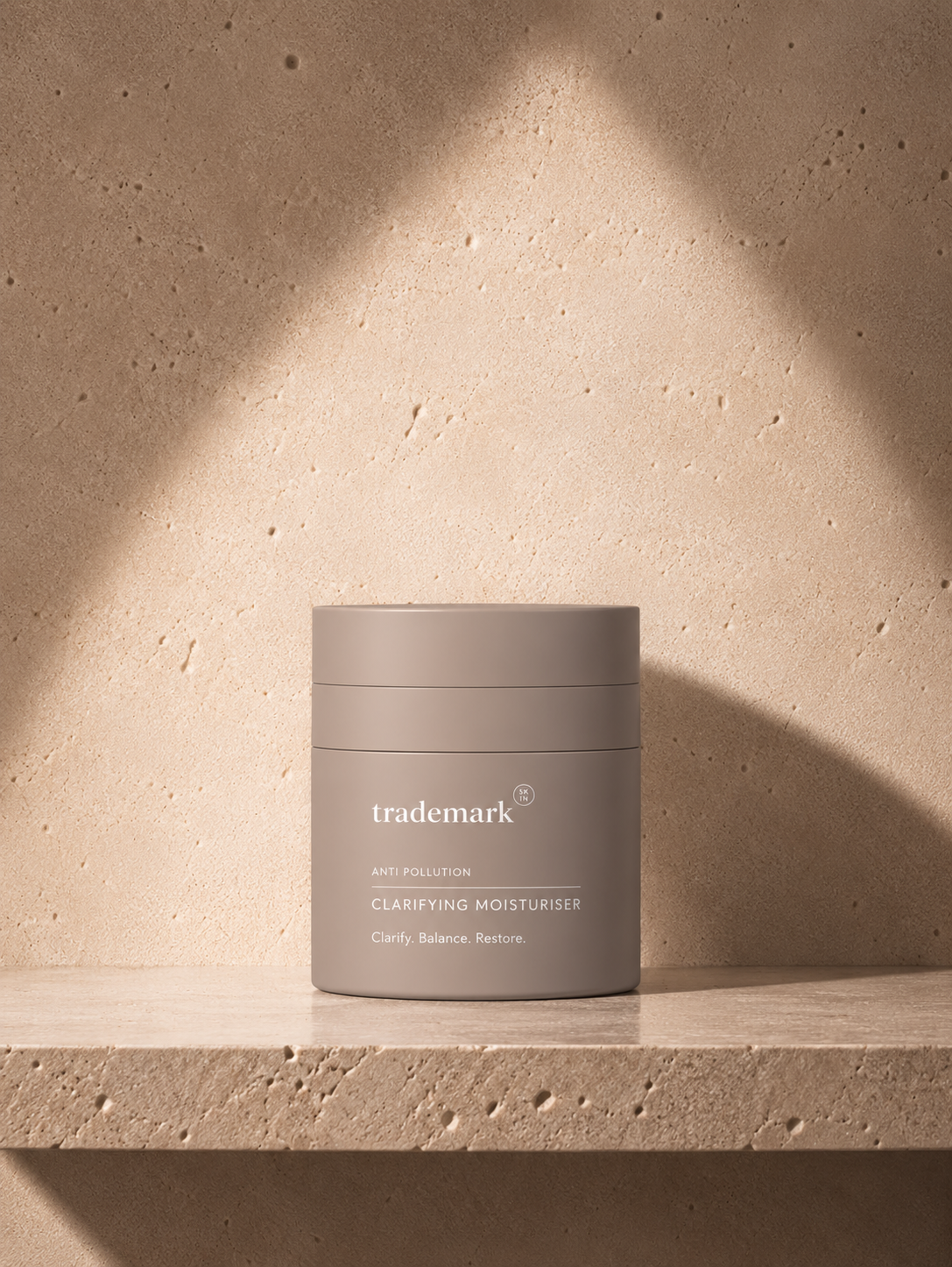
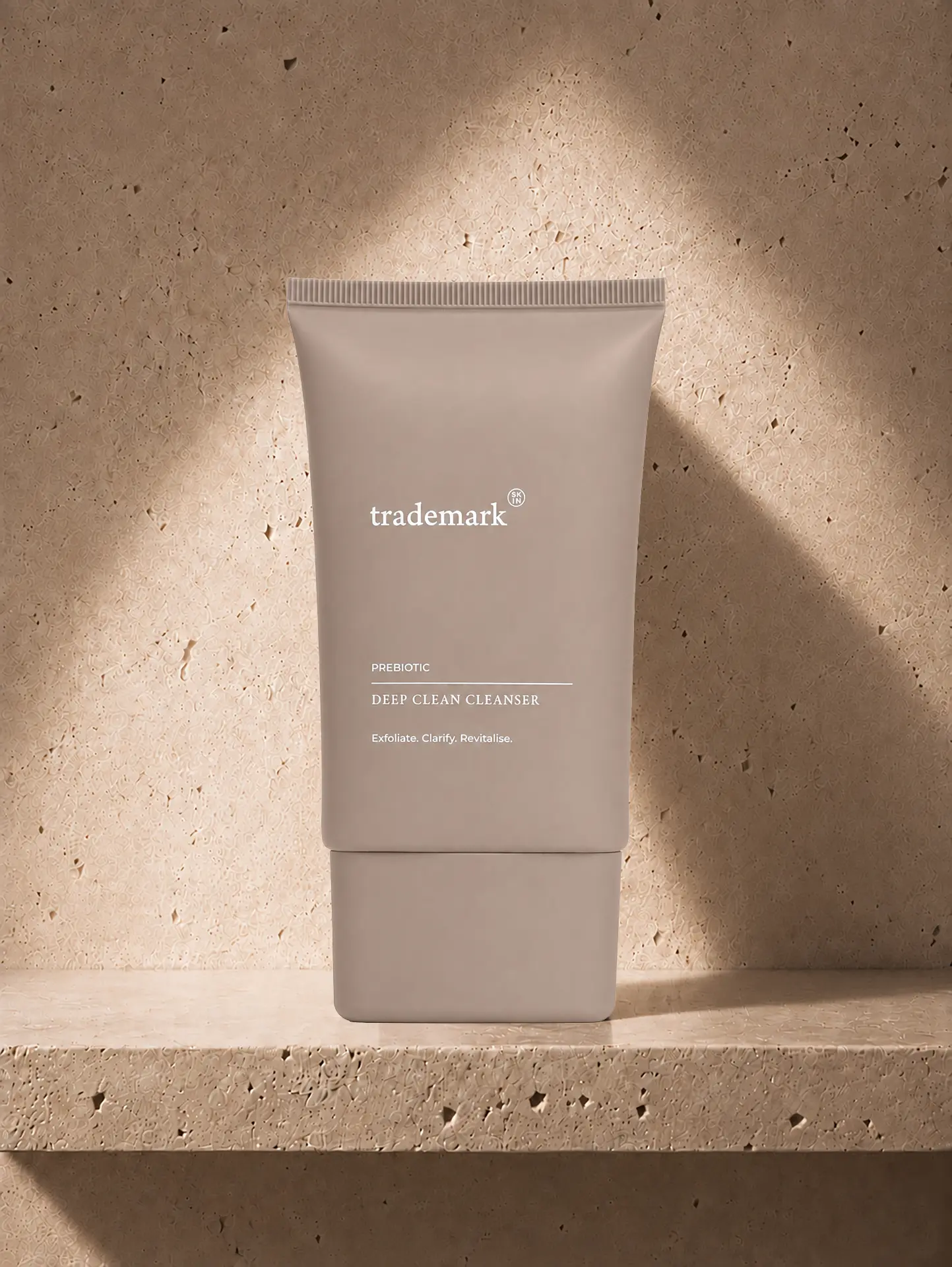
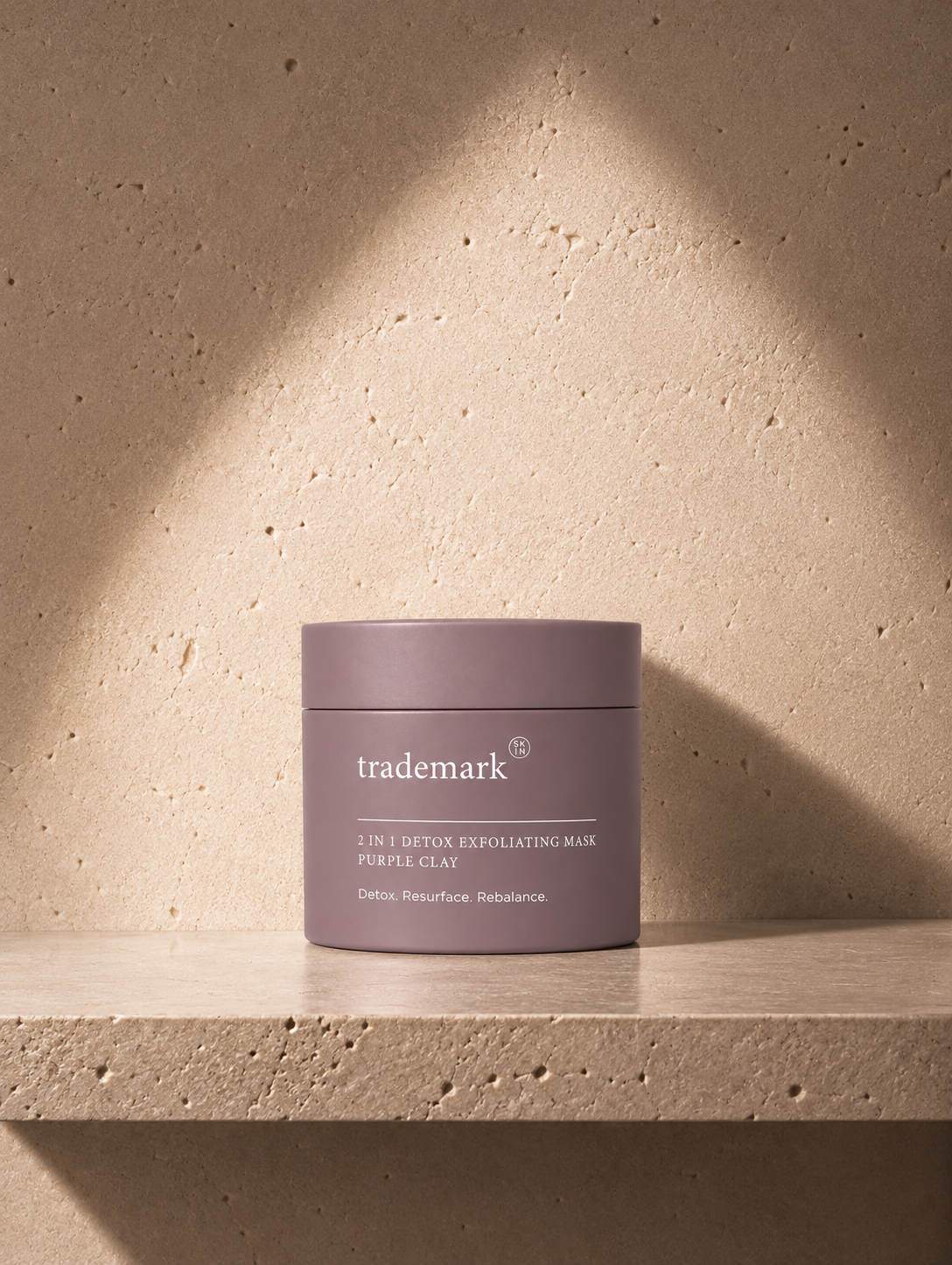
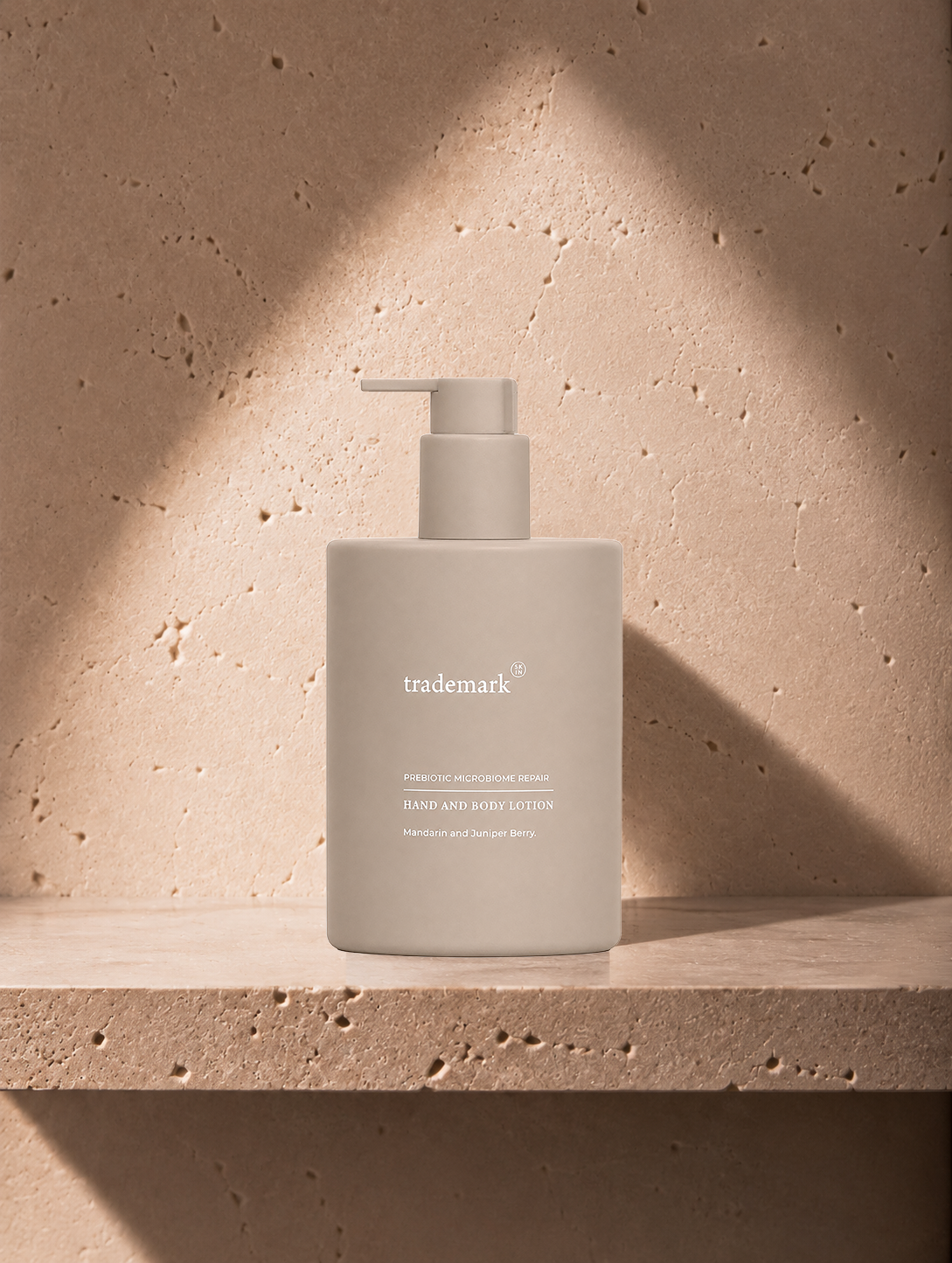
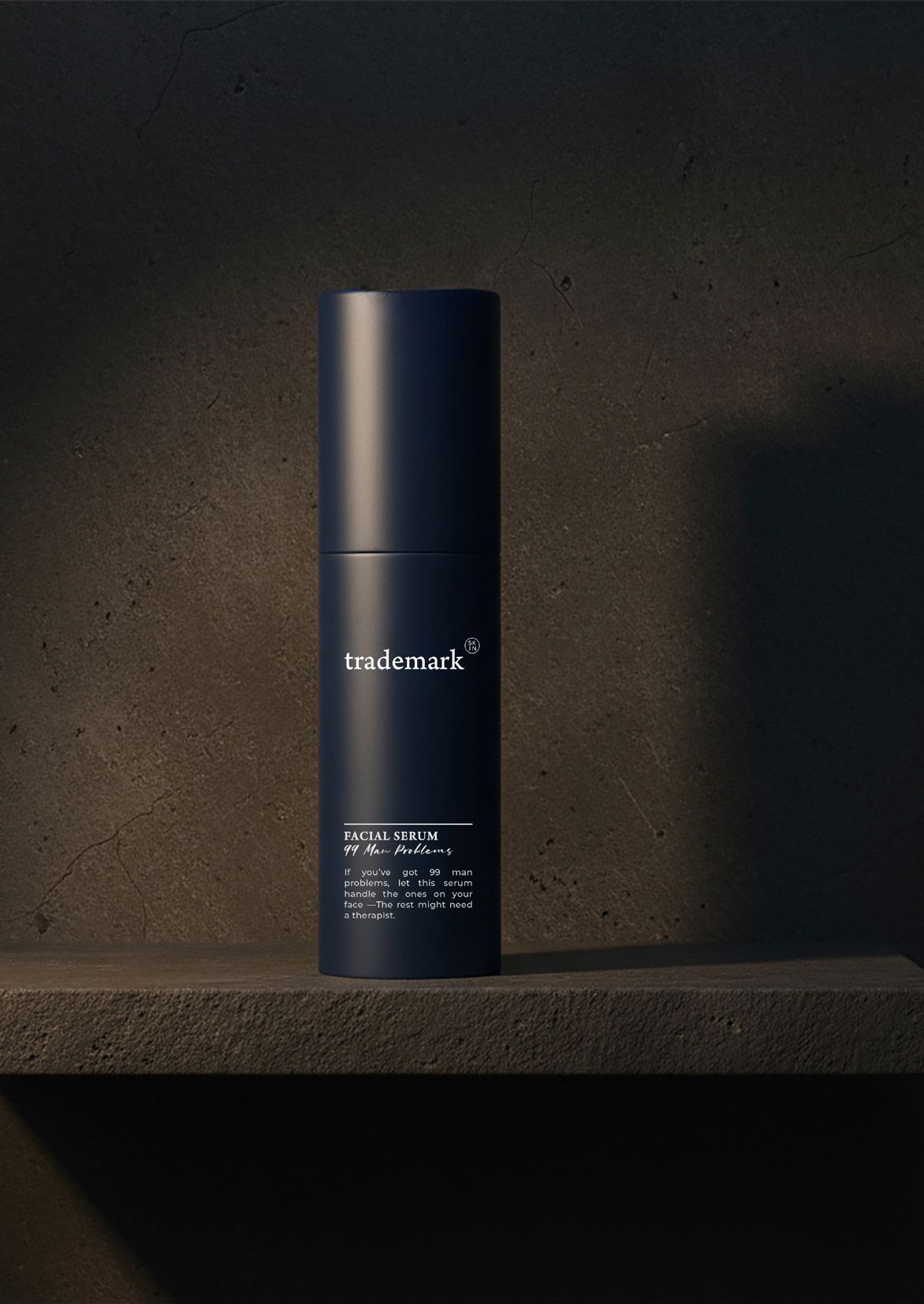
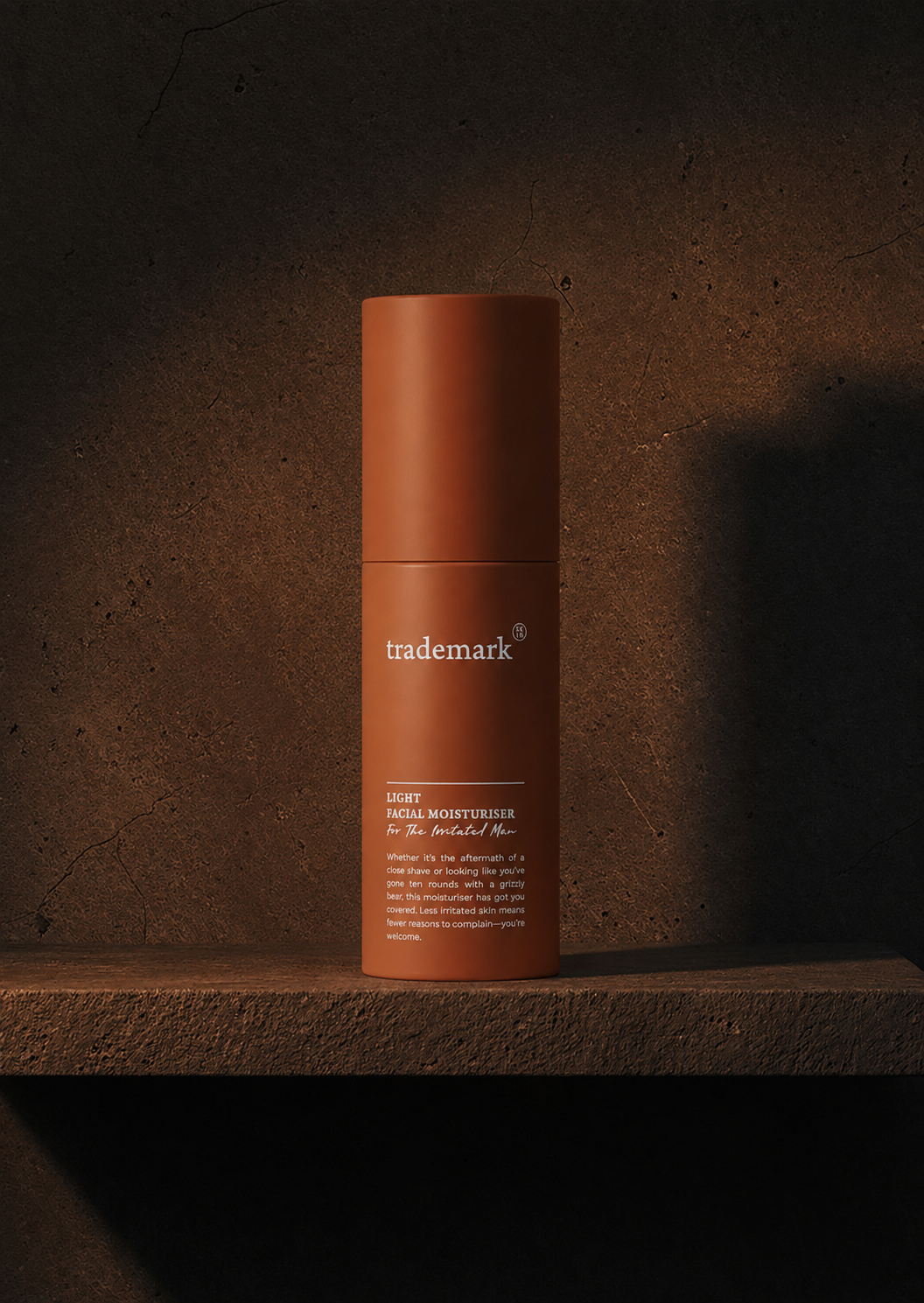
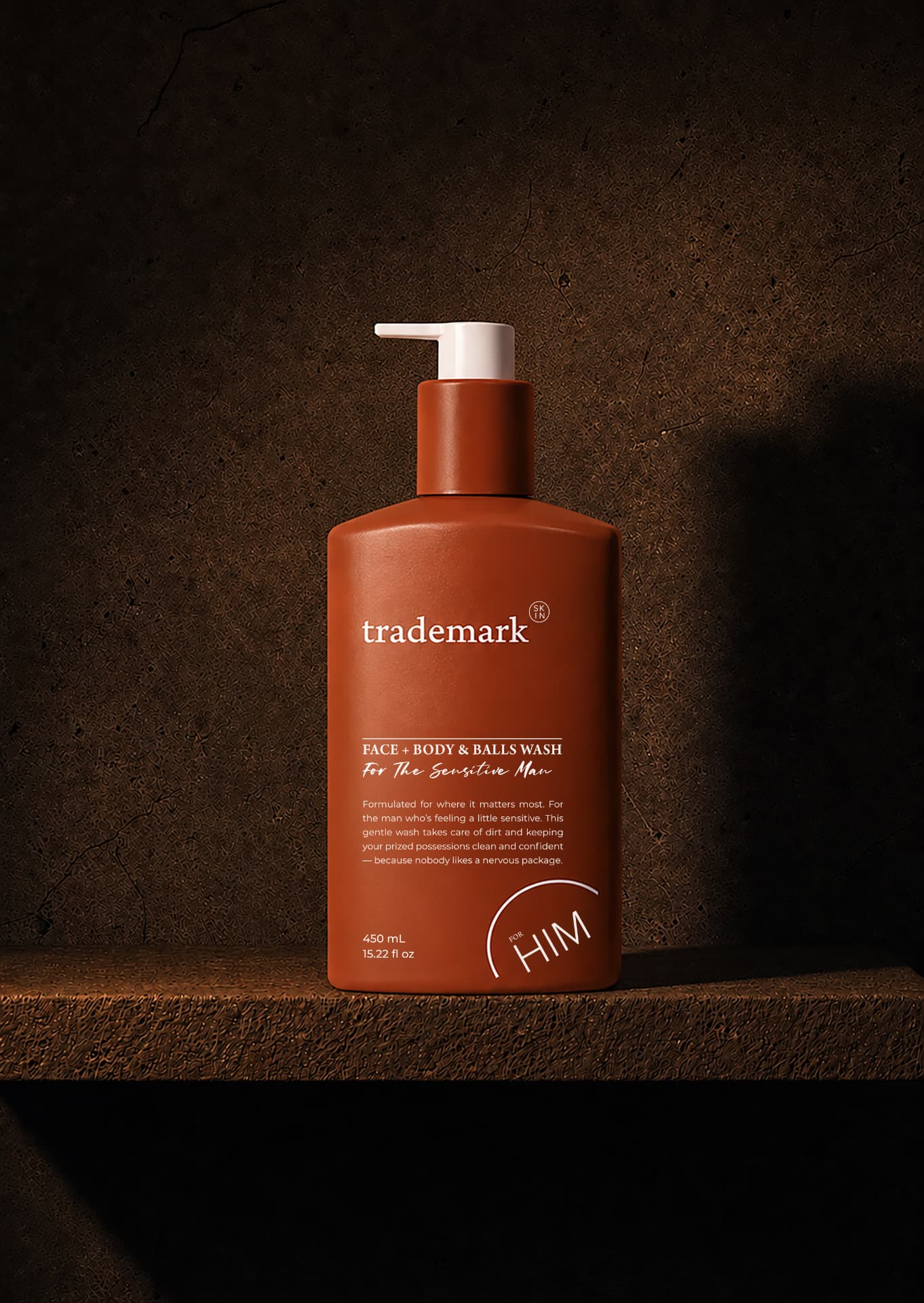
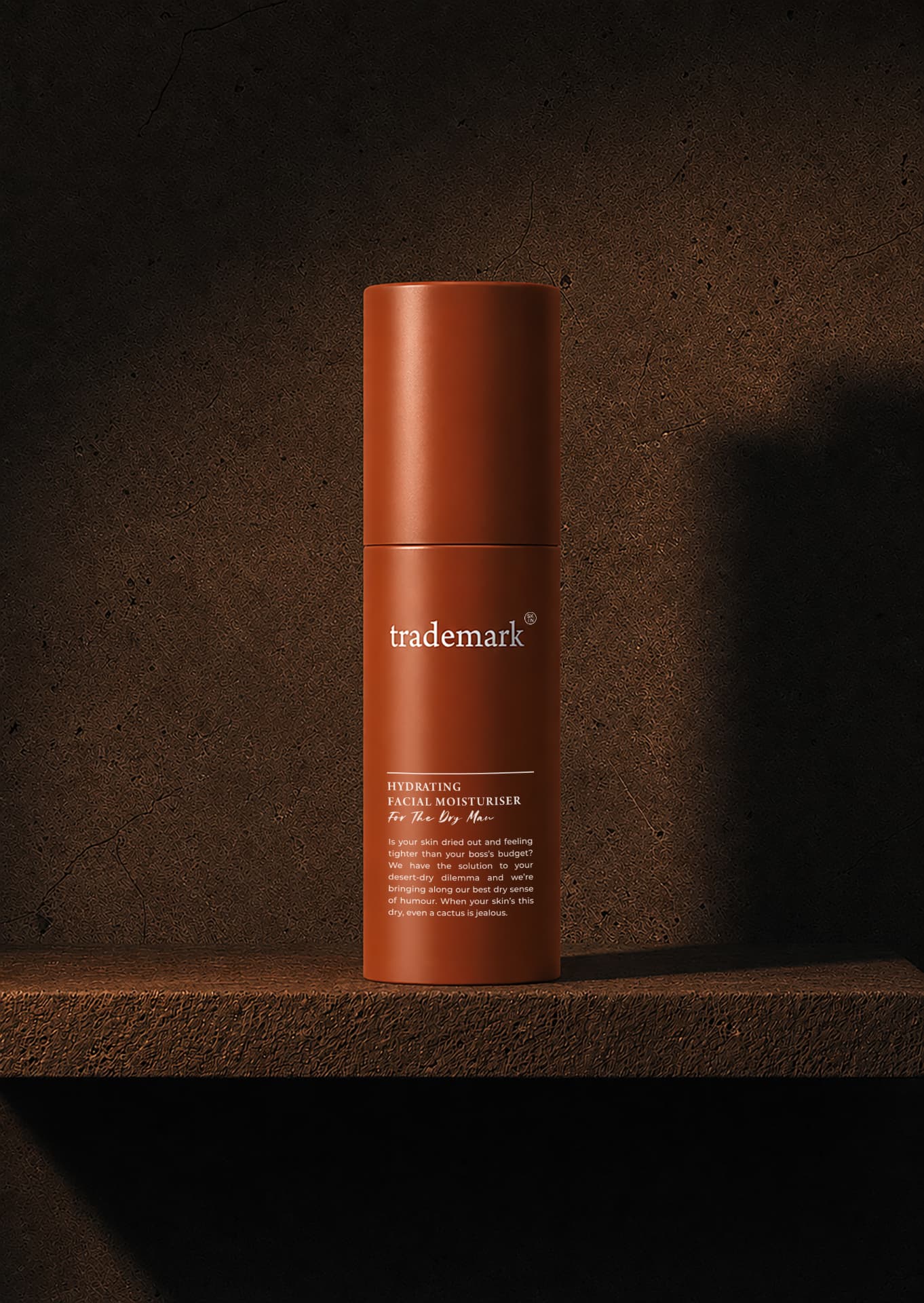
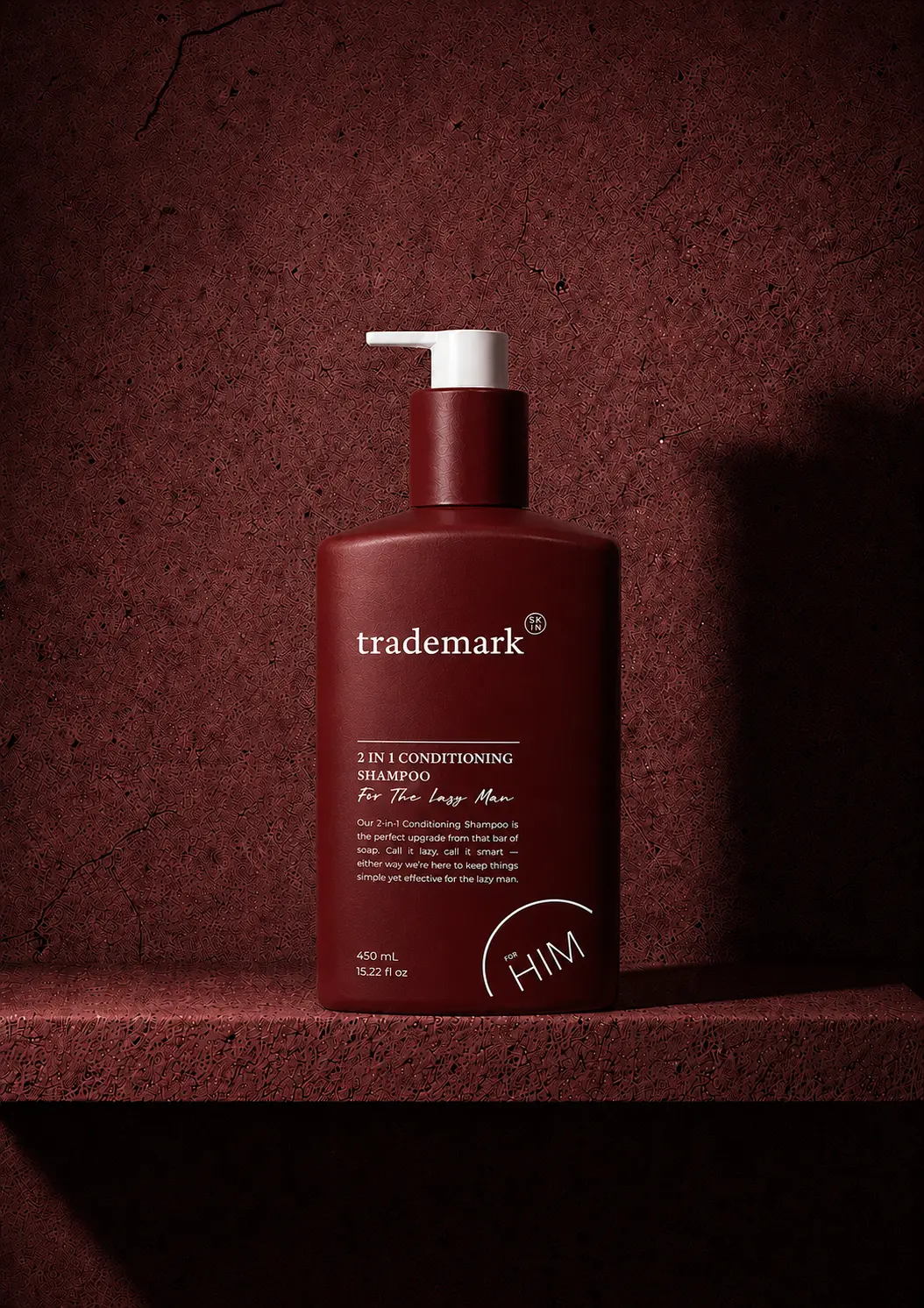
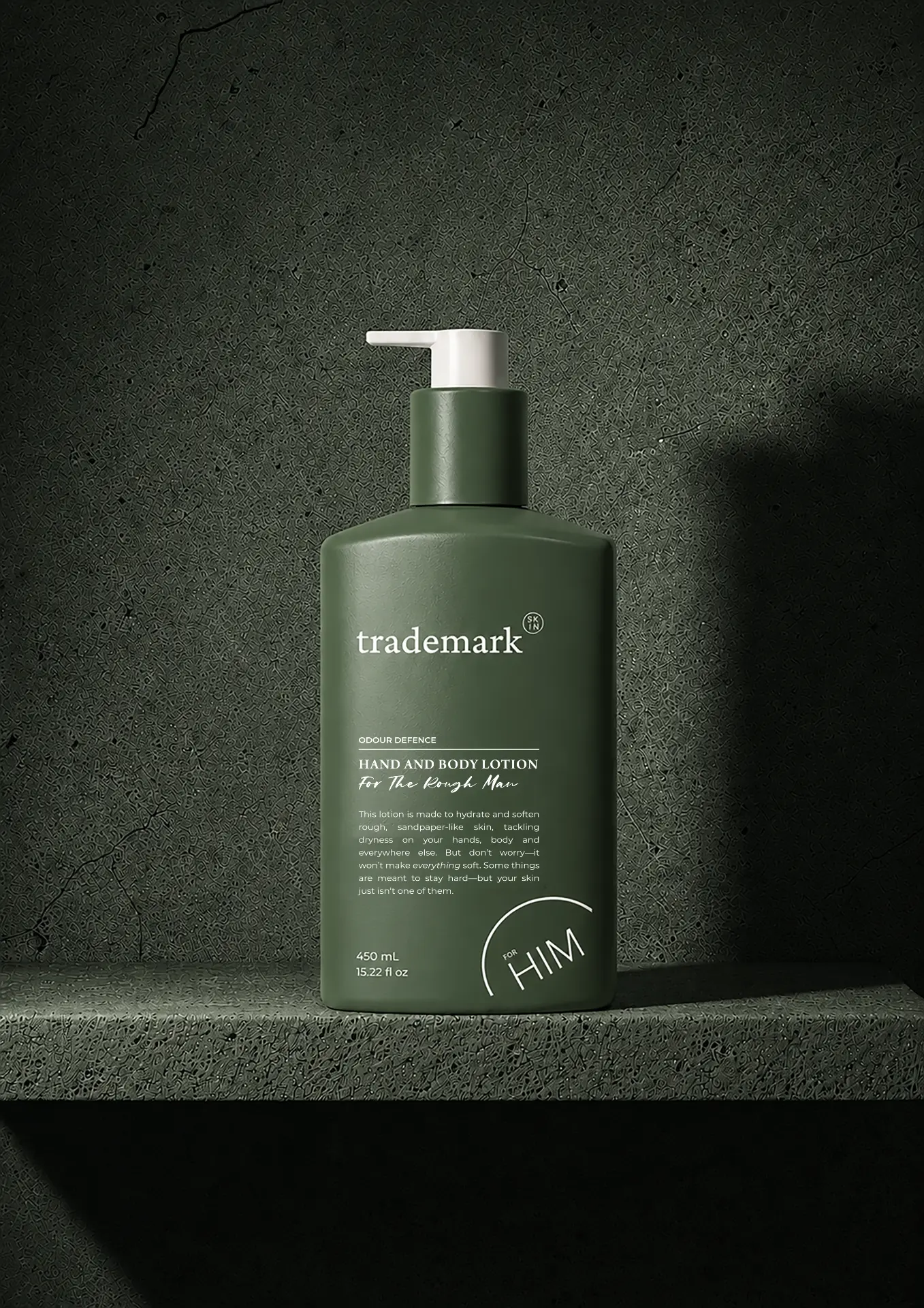
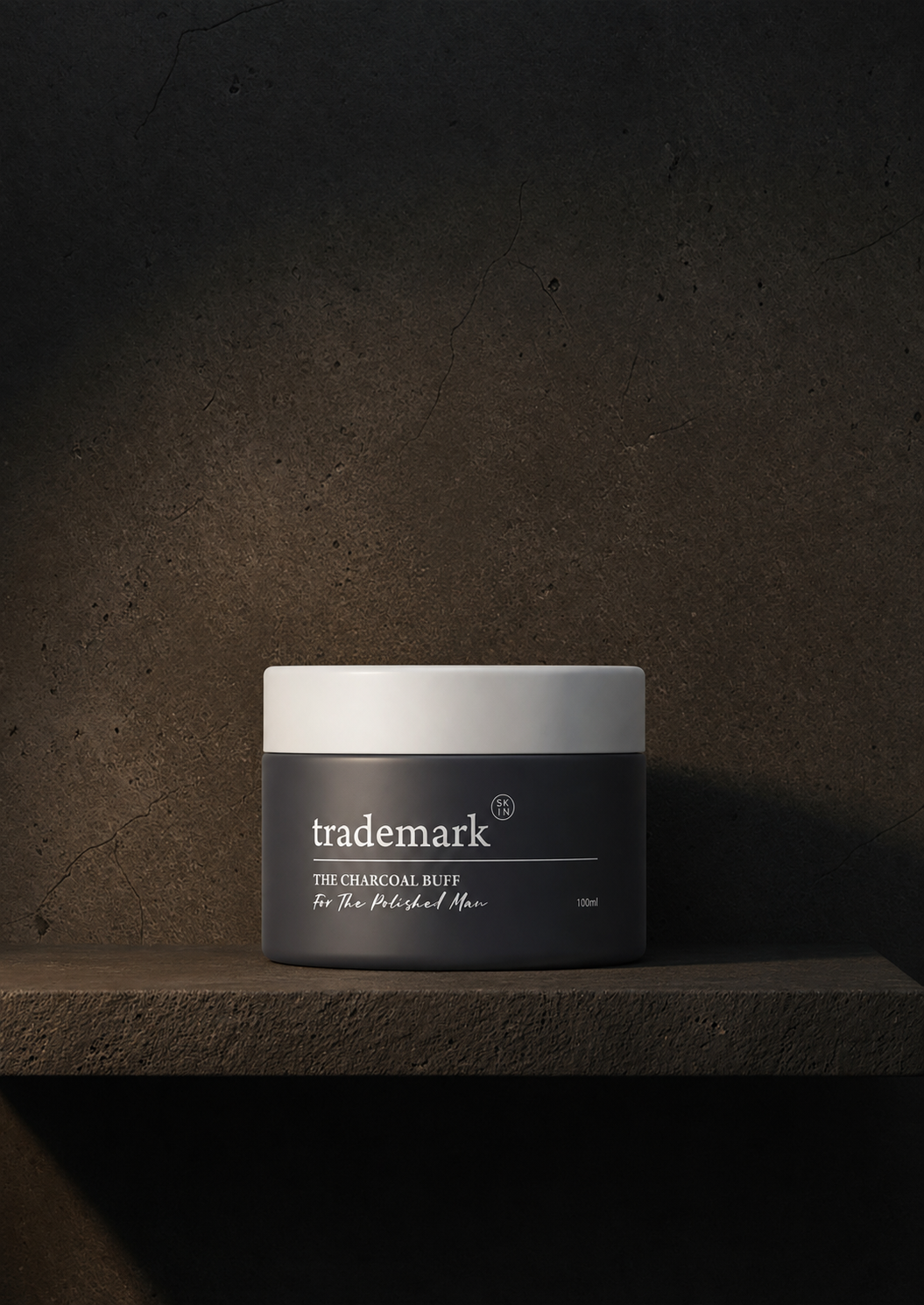
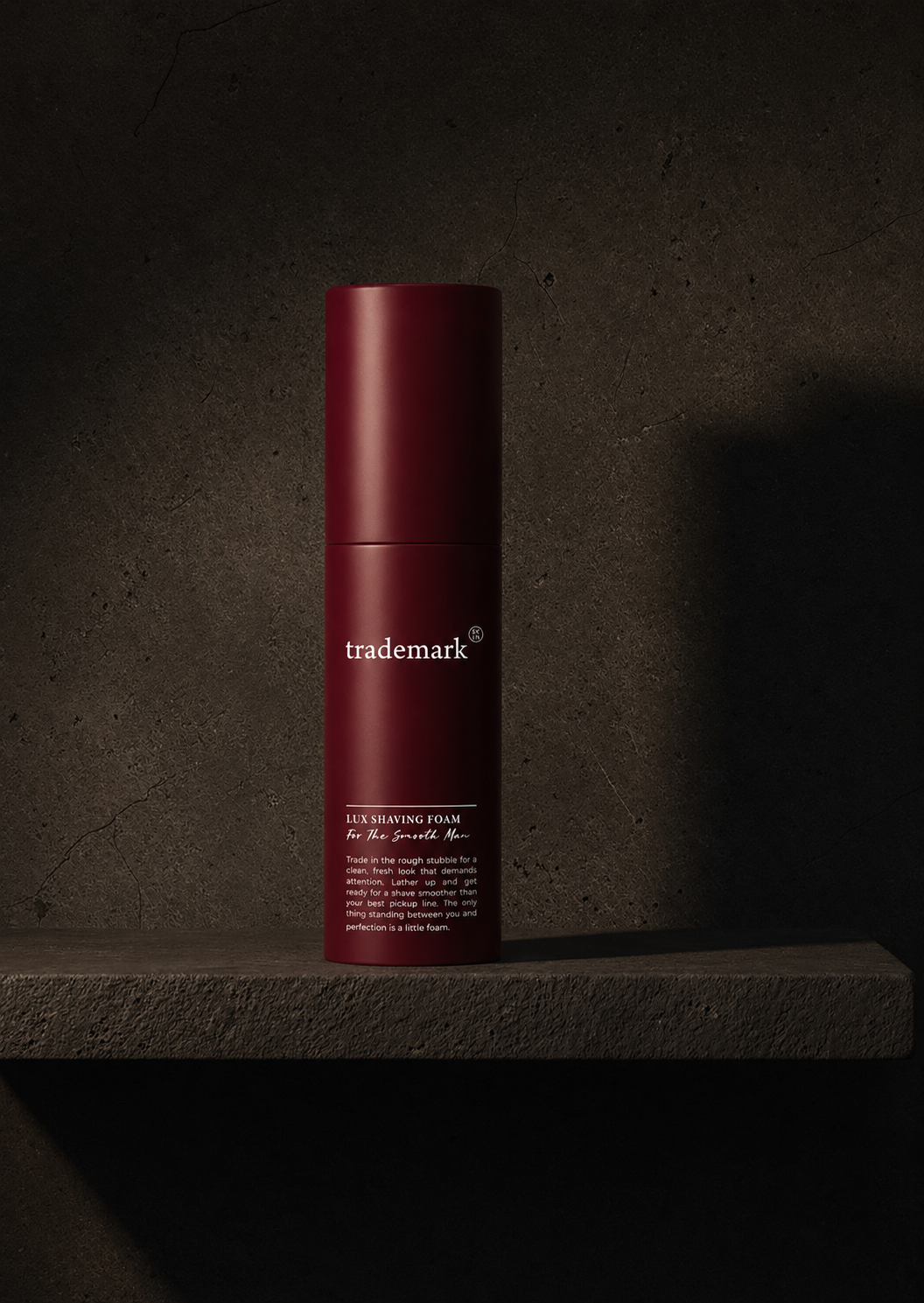
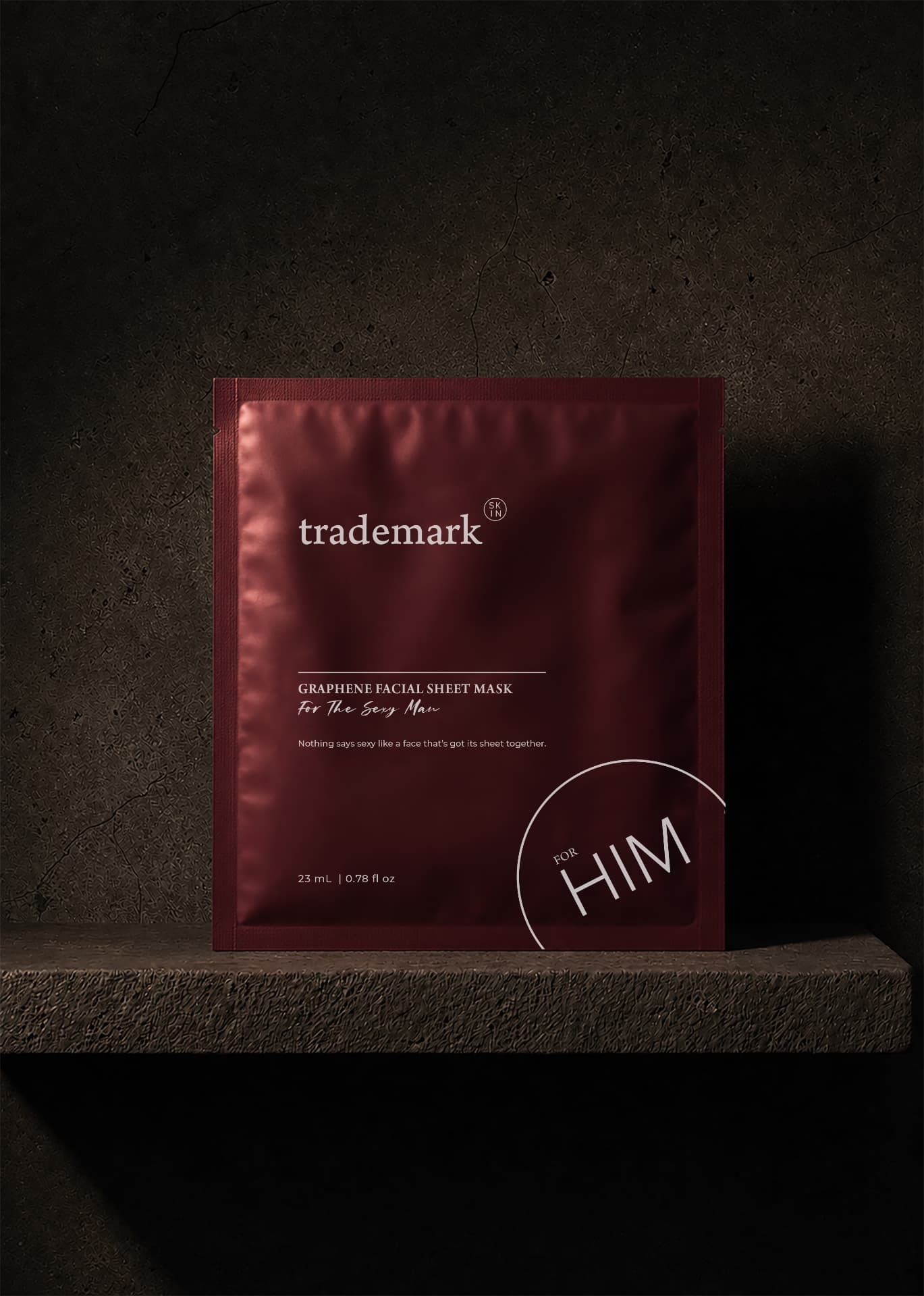
Noni biotechnology features across selected Trademark HIM and HER formulas — from deodorants and washes to serums and masks.
5 products
10 products
Discover
Discover
Discover
Discover
Discover
Discover
Discover
Discover
Discover
Discover
A little more clarity
No — and that's the point. Laboratory testing showed a bacteriostatic effect: it slows bacteria down rather than wiping them out. Your skin is meant to carry a living community of microbes, and this approach is designed to calm the troublemakers while leaving that community in place.
It's how bacteria count their numbers. Each microbe releases tiny chemical signals; once enough signals build up, the group switches on shared behaviours — like forming sticky films or releasing irritating compounds. Scientists call those signal molecules quormones.
Body odour isn't the smell of sweat — it's what bacteria produce after eating the fats and proteins in sweat. The Noni active works on the bacteria's own conversation and on their food source, so there's less of the smelly by-product to begin with.
The studies tested the ingredient directly on skin, measuring odour intensity after about three days of use. Our products contain that same studied ingredient, so these figures describe the ingredient in the products you buy. Individual results still vary with your skin and routine.
A traditional extract and this plant-cell active come from the same fruit, but they are produced differently. This active is grown as cultivated plant cells and studied specifically for its anti-quorum-sensing molecules and prebiotic behaviour — the blend an ordinary extract may not contain.