

The Stem Cell Library — No. 07
Pomegranate. Clinical brightening.
From ruby-red seeds to a brighter-looking complexion. Plant cell science for dark spots, uneven tone and a smoother glow.
Antioxidant-rich. Multi-step. Measured in ingredient research.
+3.5%
Overall skin luminosity
Instrument-measured brightness · across the study
+5.4%
Brightness within dark spots
Spot luminosity reading
10.8%
Improvement in skin roughness
Crow’s-feet-area texture measurement
Ingredient-level research · 30 women aged 40–70 · research formulas · used twice daily on the face · 6–12-week assessments. These figures describe different measurements, not guaranteed results or percentages of users.
The plant behind the science
Beyond a superfruit. A smarter botanical active.
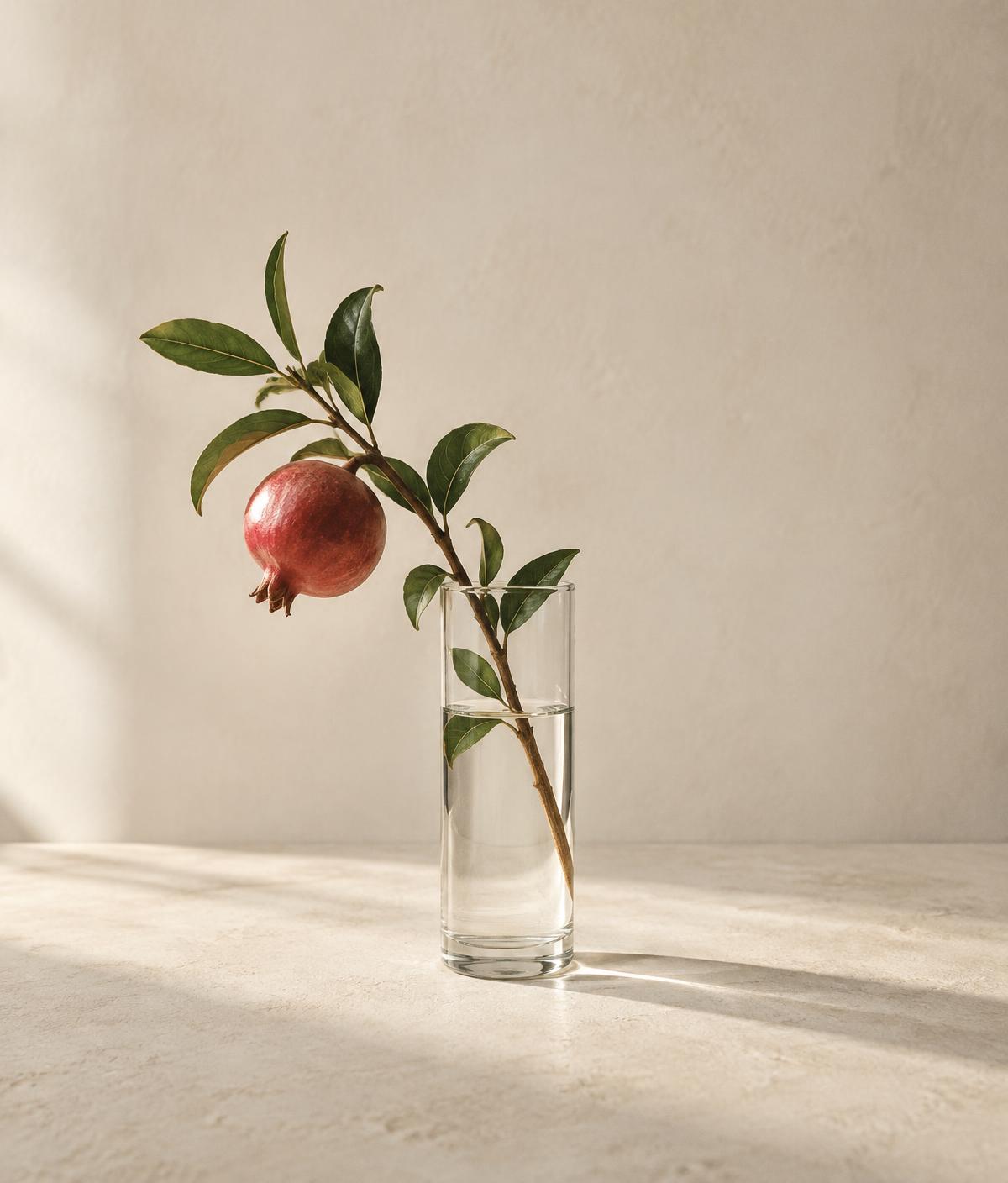
Punica granatum, the Pomegranate, is naturally rich in polyphenols — including compounds associated with ellagic acid and gallic acid. Its ripening process inspired this brightening biotechnology.
Seed-derived plant cells are cultivated in controlled conditions. Stimulation inspired by ripening encourages the cells to produce antioxidant-rich compounds and molecules studied for their influence on pigmentation.
The active compounds come from cultivated plant cells. They do not become living cells in your skin.
Uneven tone has more than one starting point.
Antioxidant support
Pomegranate is rich in protective polyphenols. Cell experiments found reduced oxidative stress after simulated sun exposure — one trigger linked to uneven pigmentation.
Pigment production
Laboratory tests explored how the active influences signals that tell pigment-producing cells to make melanin, the pigment behind skin colour and dark spots.
Pigment transfer
The research also examined how pigment packets move between skin cells. This multi-step approach supports the cosmetic aim of a more even-looking complexion.
These mechanisms were explored in laboratory cell models. Antioxidant activity after simulated sun exposure is not an SPF claim or a substitute for sunscreen.
Clinical ingredient research · 6–12 weeks
Brighter spots. More even-looking skin.
Brightness and dark-spot colour were measured with a colour-reading instrument. Surface roughness around the crow’s-feet area was assessed separately using skin replicas and image analysis.
| Measurement | Studied level A | Studied level B |
|---|---|---|
| Overall luminosity (L*) | +3.5% | +3.5% |
| Dark-spot luminosity (L*) | +5% | +5.4% |
| Dark-spot colour angle (ITA°) | +32% | +31% |
| Surface roughness improvement (Ra) | 8.4% | 10.8% |
L* means measured lightness; ITA° is a colour-derived angle used to describe pigmentation; Ra measures surface roughness. An increase in spot lightness does not mean an equivalent reduction in spot number or size. The source includes placebo testing but does not present these headline figures as placebo-adjusted differences.
A closer look
From the ingredient study.
Representative brightness-study photographs from the research formula, at baseline and after 12 weeks.
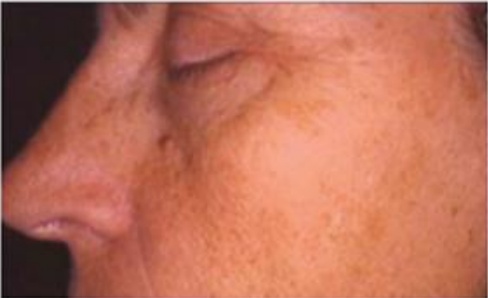
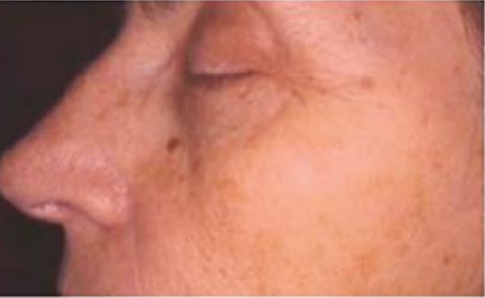
One representative participant, not a prediction of everyone’s results. Study photographs are shown without the muted filter applied to editorial botanical imagery.
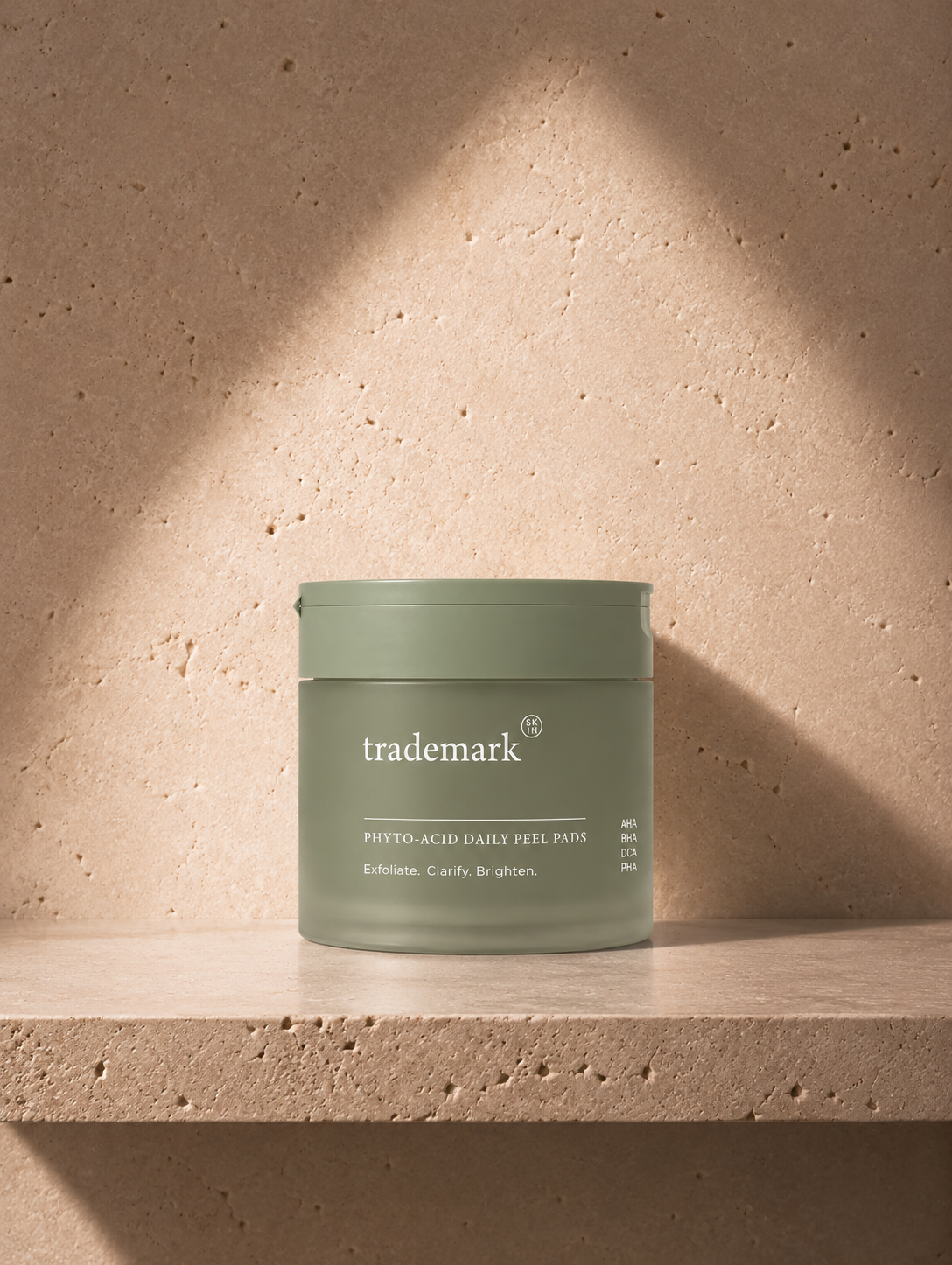
Find it in Trademark HER
Phyto-Acid Daily Peel Pads.
Pomegranate plant cell biotechnology meets a four phyto-acid complex. The botanical active targets visible uneven tone and dark spots, while complementary exfoliation helps lift dull surface build-up and refine texture.
A daily resurfacing ritual for skin that looks smoother, clearer and more radiant. Follow the product directions and pair your routine with sun protection.
Discover the Peel PadsA little more clarity
Your Pomegranate questions.
What does clinical brightening mean?
Here it means measured changes in volunteers using a research formula containing the Pomegranate active. The study assessed skin brightness, dark-spot colour and surface roughness. It is cosmetic ingredient research, not a medical treatment for pigmentation.
Is this just Pomegranate juice or seed oil?
No. This biotechnology cultivates Pomegranate seed-derived plant cells. Conditions inspired by fruit ripening encourage a blend rich in antioxidant compounds such as ellagic acid and gallic acid. The resulting active is different from juice or seed oil; the supplied research does not establish a direct potency comparison with conventional extracts.
Does +5.4% mean 5.4% fewer dark spots?
No. It is an increase in the measured brightness of the dark spots, using the instrument’s L* luminosity scale. It does not describe fewer spots, a smaller spot area or the percentage of people who saw a change.
How long was the active studied?
The presentation describes 30 women aged 40–70, used twice daily on the face and assessments at 6 and 12 weeks. The ingredient was studied in research formulas alongside a placebo. These are the reported ingredient-study conditions; individual results vary.
Do I still need sunscreen?
Yes. Antioxidant findings in cells are not an SPF rating. Use broad-spectrum sunscreen and follow its directions. Pomegranate skincare does not replace sun protection, and persistent or changing dark spots should be discussed with a qualified health professional.
Evidence: supplied Pomegranate ingredient technical and efficacy presentation, v22.01. Laboratory findings and volunteer measurements are separate evidence types. The clinical study used research formulas; product use should follow its own directions. Botanical and laboratory imagery is illustrative.