Building blocks for upkeep
Plant PDRN
Small DNA fragments from plant cells. Scientists study how their building blocks may support skin’s normal renewal processes.
The Stem Cell Library — No. 03
Plant PDRN. More than 500 different peptides discovered inside tiny plant packages. And skin studies showing firmer, smoother-looking skin. There is much more to this little leaf than soothing.
A familiar plant. A new chapter.
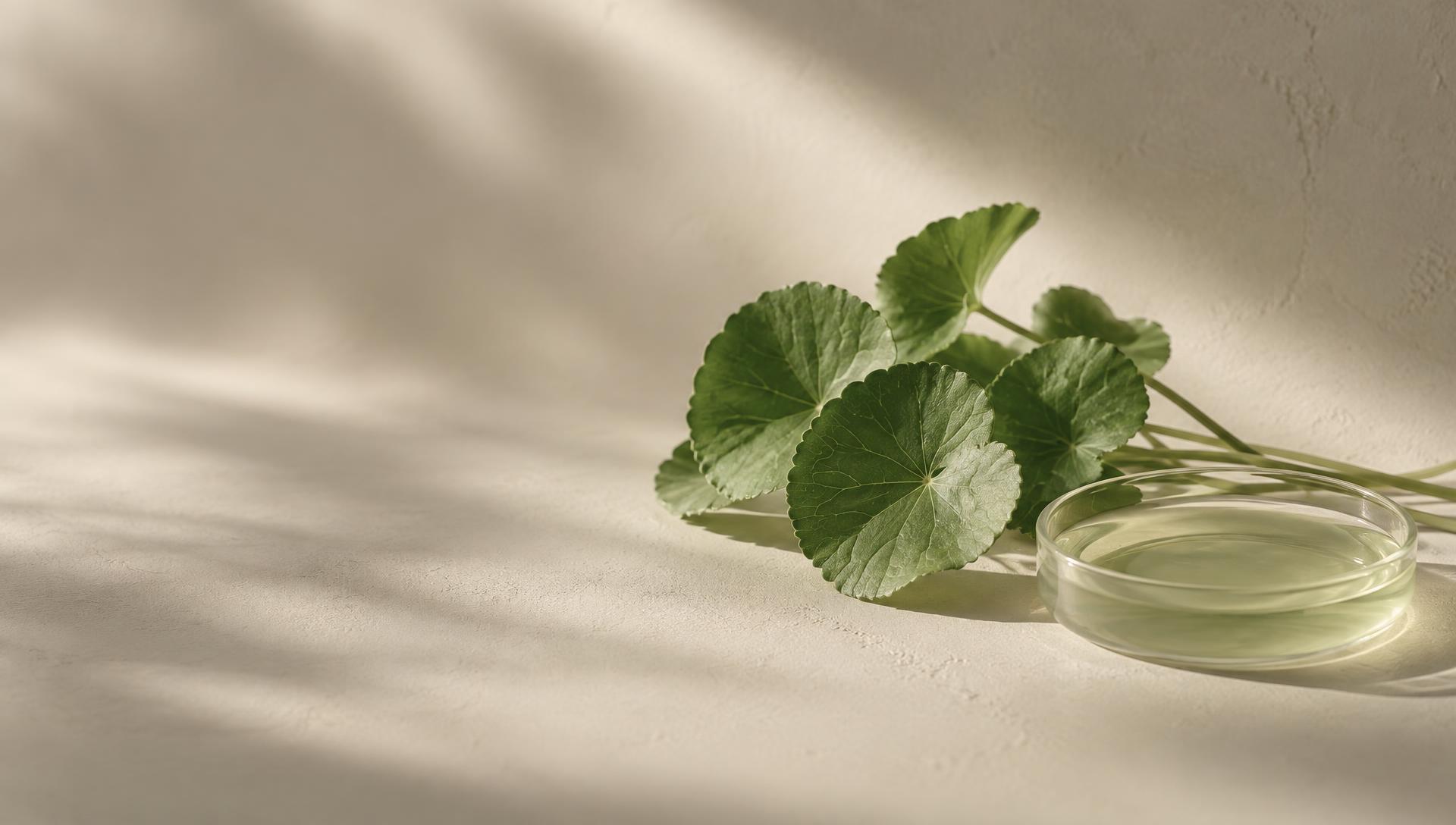
You may know it as Cica, gotu kola or tiger grass — a plant loved for its soothing reputation. Growing selected plant cells in carefully controlled conditions lets scientists discover more of what it can offer.
The result is a blend of plant peptides, exosomes and plant PDRN, studied for skin that looks firmer and feels more elastic. Here is what those names mean for you.
A remarkable discovery
500
+
Peptides are small pieces made from the same building blocks as proteins. Think of exosomes as tiny natural packages made by plant cells. In the studied Centella material, scientists found more than 500 different peptide sequences inside them — along with plant PDRN.
That discovery helps explain why this active is so interesting for research into skin’s upkeep and renewal.
The count describes the studied plant material, not 500 proven skin benefits. Finding these compounds inside exosomes does not show how deeply they reach into skin.

The PDRN section
PDRN means small fragments of DNA. DNA is found in plants as well as animals. Here, those fragments come from cultivated Centella plant cells.
Why the interest? Cells can break these fragments down into smaller building blocks. Researchers explore how those pieces may support the signals and everyday upkeep involved in skin renewal.
Centella research found plant PDRN both in the cell cultures and inside their exosomes. It is a fish-free source — and it does not change your DNA.
Inside the active
Building blocks for upkeep
Small DNA fragments from plant cells. Scientists study how their building blocks may support skin’s normal renewal processes.
Small pieces with potential
Short chains of protein building blocks. Centella peptides are being studied for how they interact with the cells that help maintain skin’s structure.
Nature’s tiny packages
Tiny packages released by plant cells. The studied Centella exosomes contained a diverse blend of peptides and plant PDRN.
Plant versus salmon & trout PDRN
Animal-derived
Plant-derived
Why we choose plant PDRN
No salmon, trout or marine by-product is used. A genuine plant-based choice for people who avoid animal-derived ingredients.
Cultivated in a controlled process rather than taken from wild populations, so supply doesn’t depend on fishing pressure.
The same plant cells also produce over 500 peptides inside their exosomes — a fuller botanical story than PDRN on its own.
Grown under the same conditions batch after batch, so the active in your product doesn’t shift with a wild catch.
These are sourcing and formulation reasons, not a results ranking. The studies on this page tested the Centella active itself — they did not compare plant PDRN with fish PDRN, or a topical product with an injectable treatment.
Why researchers are interested
Under the surface, skin has cells that help keep its structure in good shape. Laboratory tests explored how the Centella active affected those cells.
In a test using cells grown in a laboratory, the active helped cells move across a gap. Gap-closing activity was up to 72% higher than baseline conditions after 48 hours.
Researchers also looked at proteins involved in how cells protect and maintain themselves. This helps build a picture of how the ingredient may work.
Separate laboratory research found that plant PDRN encouraged skin-supporting cells to multiply at the amounts tested. This is an early research finding, not a promise about results on your face.
A scratch test uses cultured cells, not wounded human skin. These findings do not mean a cosmetic heals injuries or makes skin biologically younger.
Measured on skin
Studies of the Centella stem cell active measured firmness, elasticity and visible fine lines. These are group averages — not just the best individual result.
+19%
Average improvement at 56 days. Skin’s resistance to stretching was measured with a specialist instrument.
+8%
Average improvement at 56 days — a measure of how well skin springs back after stretching.
−9.3%
Average reduction at 56 days, assessed by a dermatologist in the crow’s-feet area.
−53%
Reported improvement at 56 days in a separate, small five-person facial imaging study.
Ingredient studies using the Centella active, used twice daily. Firmness, elasticity and wrinkle-intensity findings: 22 volunteers aged 50–63, followed over 28–56 days. Roughness: a separate exploratory imaging panel of five volunteers aged 52–63. Results describe the tested ingredient formulation; individual outcomes vary.
Averages describe the group more clearly than the single strongest response. The research also reported higher individual results, but they should not be read as the change everyone will experience.
The five-person imaging panel also reported improvements in visible spots, red spots and pores. Its small size makes those findings exploratory rather than a promise of a particular result.
The elasticity-age study
Elasticity is your skin’s ability to spring back. The study compared elasticity readings with an age-related scale, called the Elasticity Rejuvenation Index. The average change was equivalent to around four years on that scale.
Measured on skin, not in a lab dish

−3.9years
Average change on the elasticity-age scale
−4.5years
Average change on the elasticity-age scale
−4years
The study’s rounded average result
−14years
The strongest response, not the average
Reported in the Centella active’s ingredient study, using the active twice daily in 22 volunteers aged 50–63. These numbers describe an elasticity-based comparison, not a change in actual skin age or a reversal of ageing. Individual results vary. The study tested the whole Centella active, not isolated PDRN.
A closer look
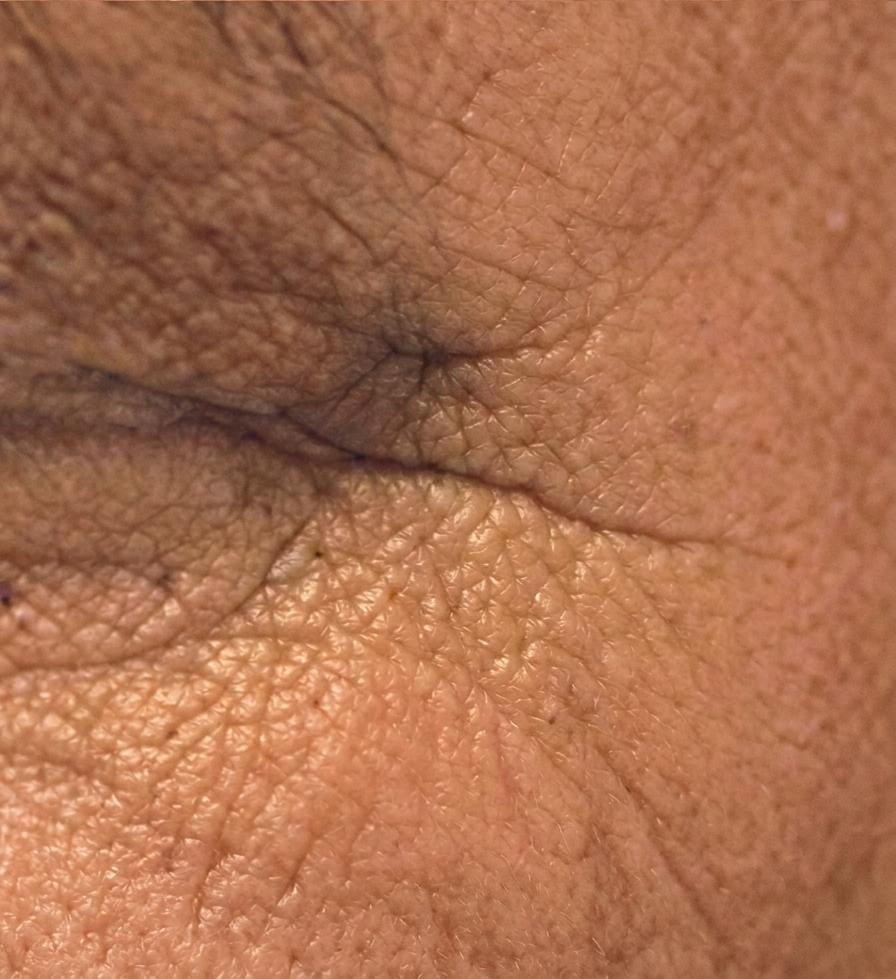
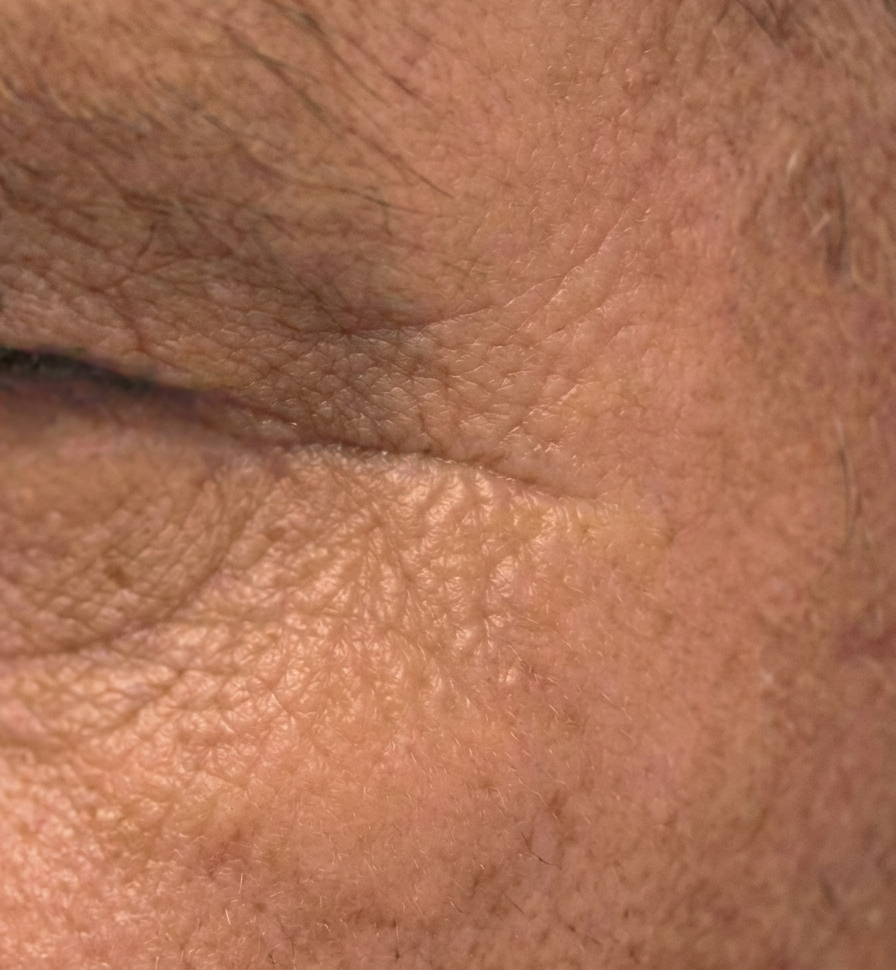
Centella active study imagery supplied with the ingredient research. Selected participant images illustrate an individual response, not an average or a guaranteed outcome.
Grown, not repeatedly harvested
The process begins with a small plant sample. Selected cells are cultivated with carefully managed nutrients and conditions, creating a repeatable source of the active’s molecules.
This approach reduces reliance on repeated whole-plant harvests. It also makes it possible to study the cell culture’s peptides and PDRN in detail, rather than relying on a plant extract that changes with the field or season.
Explore the sustainability story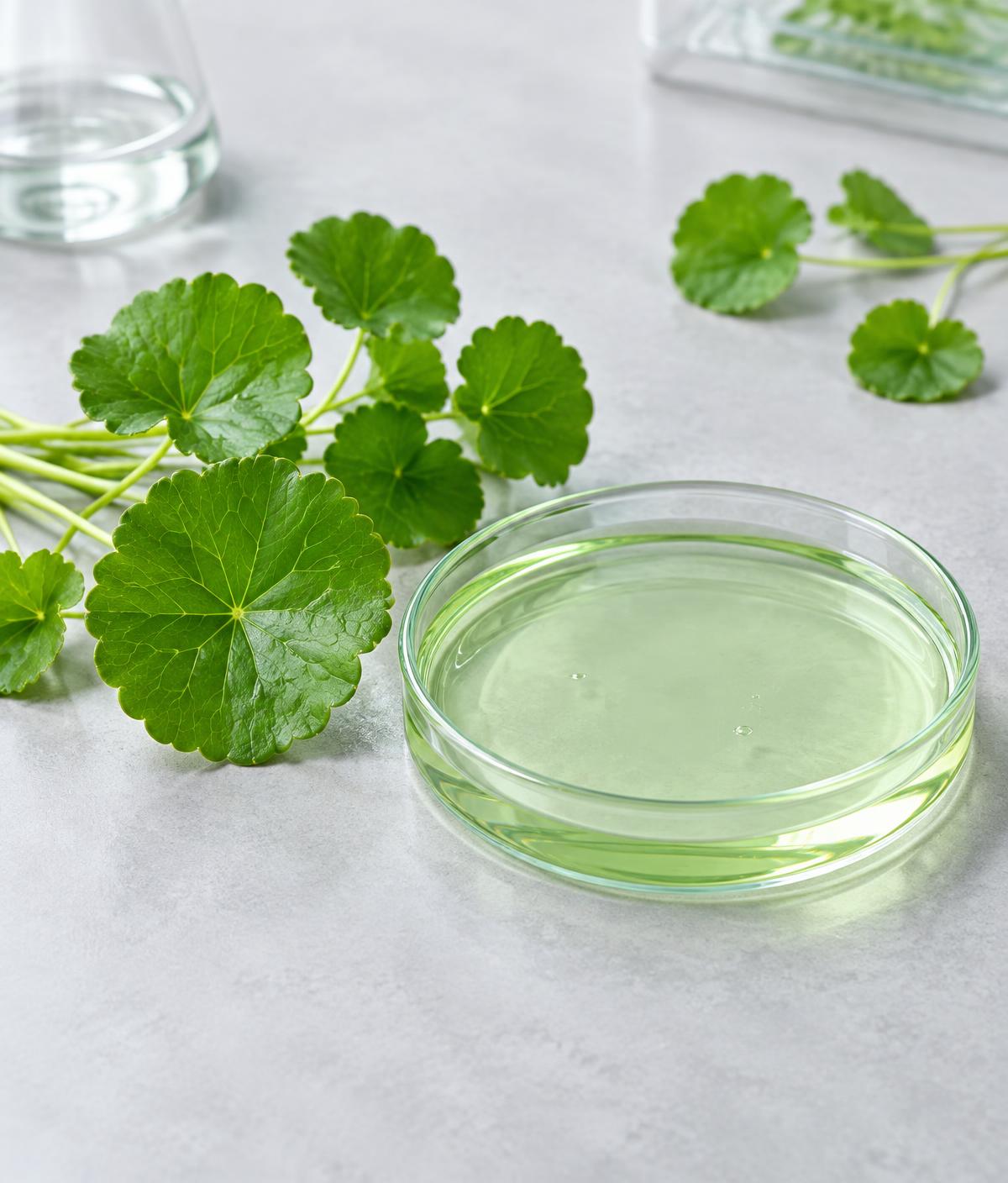
Where to find it
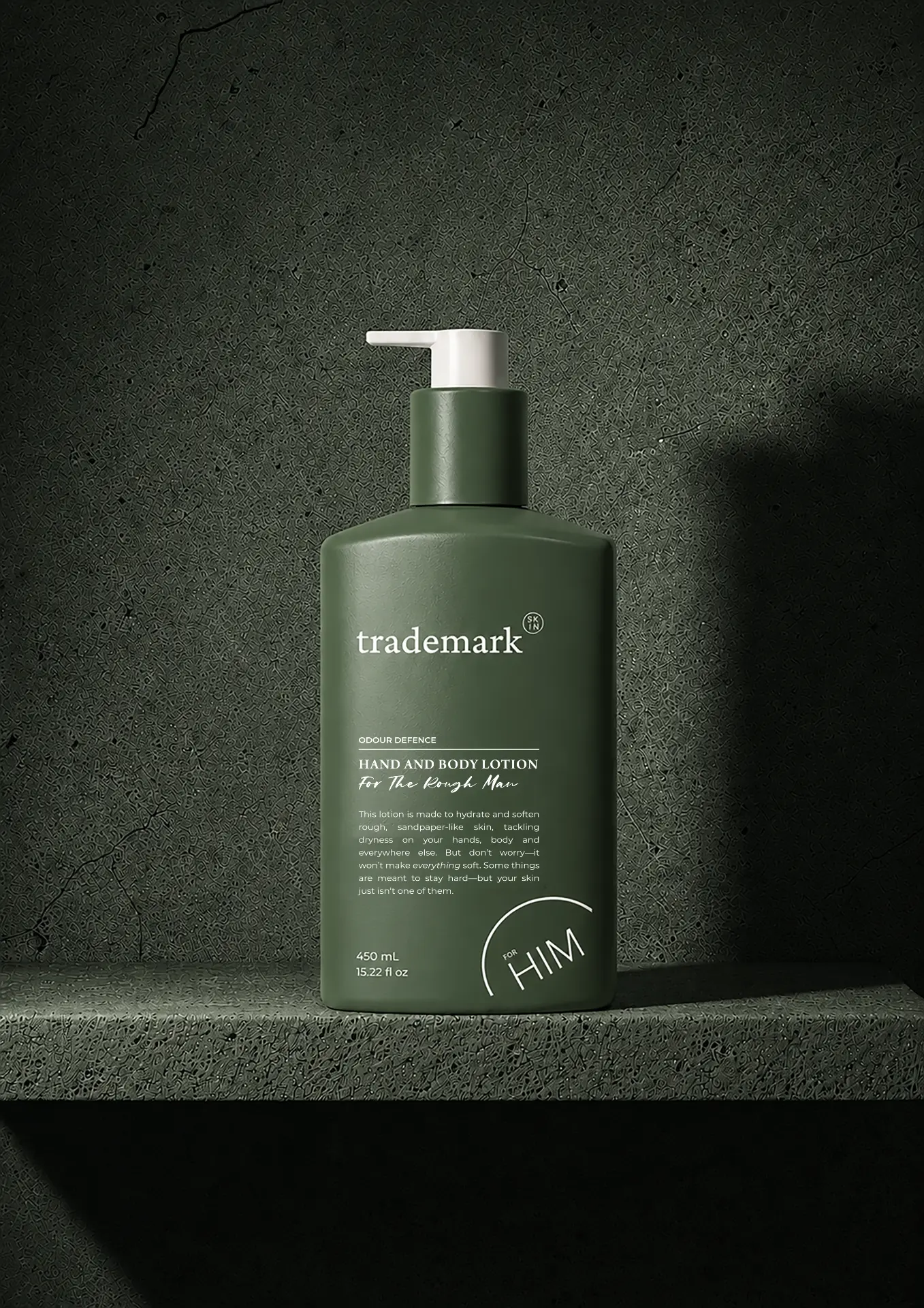
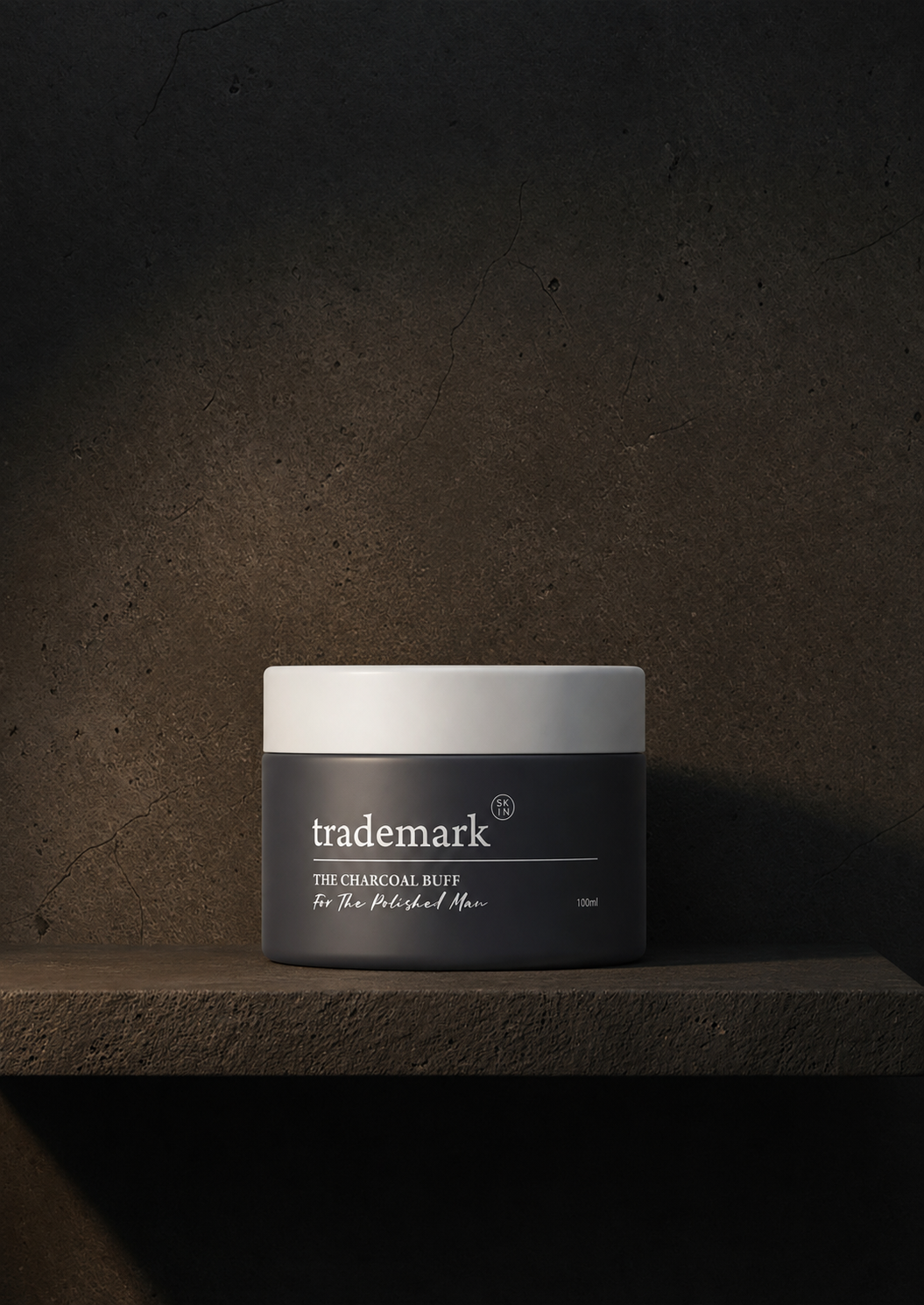
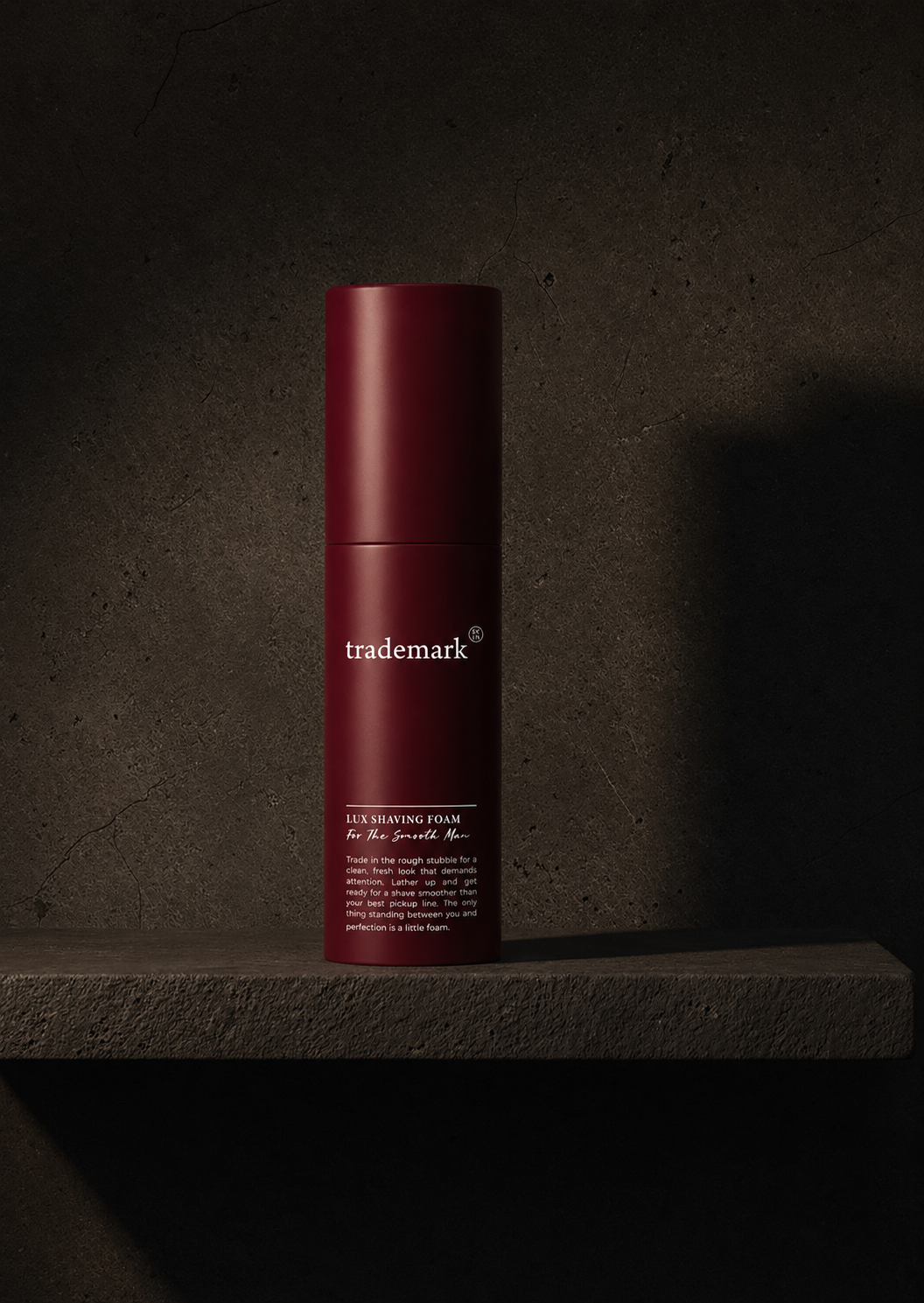
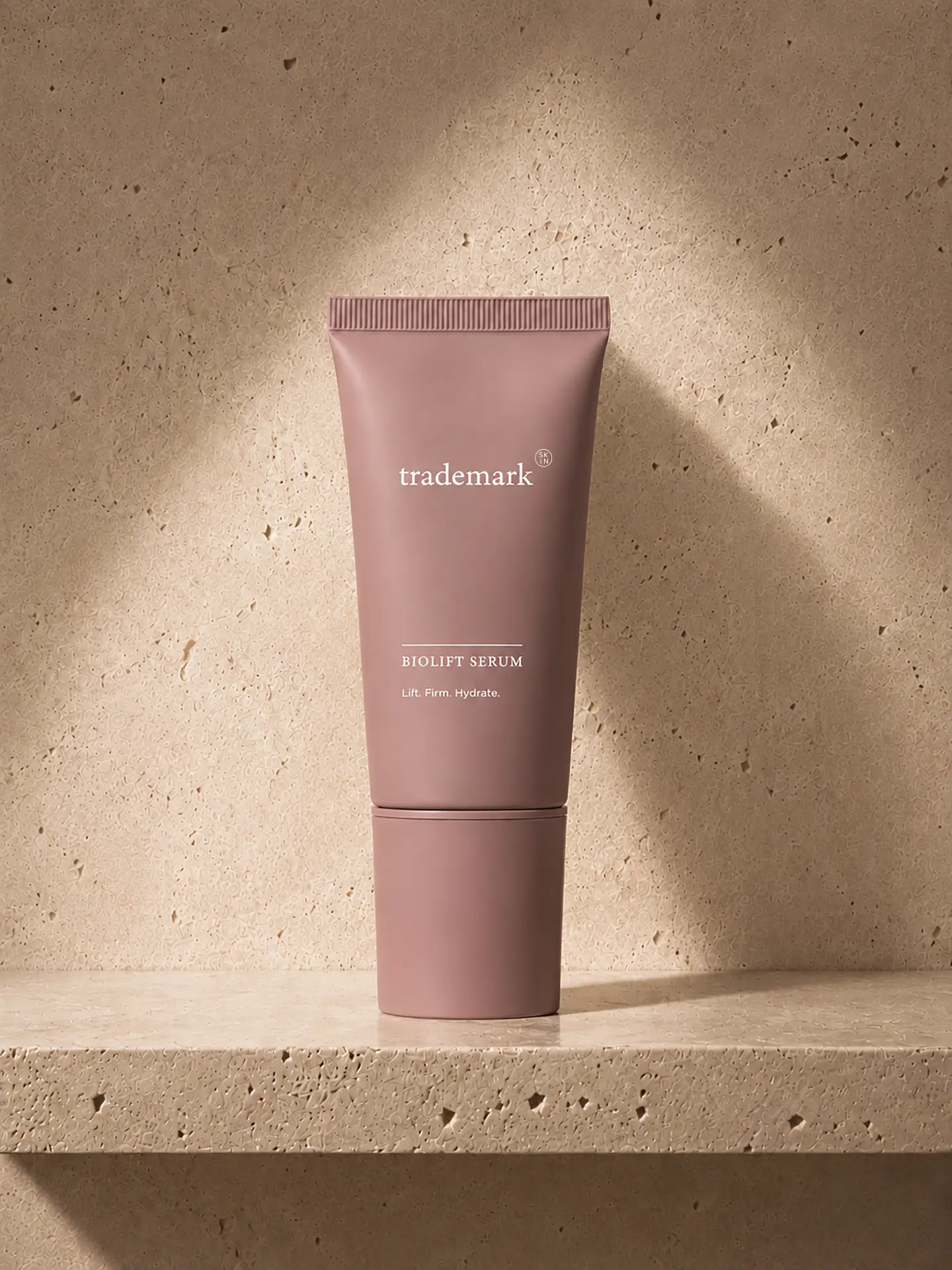
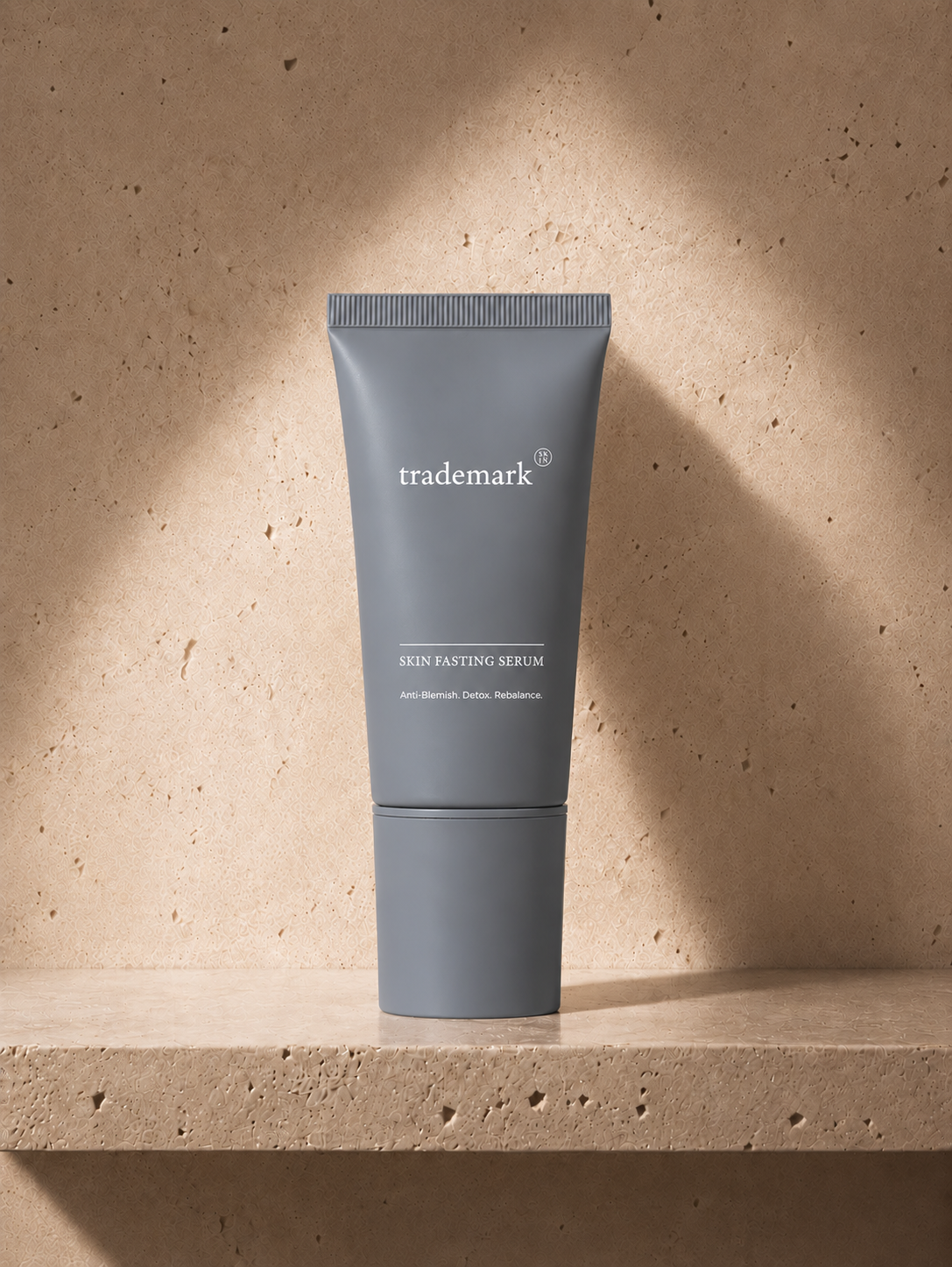
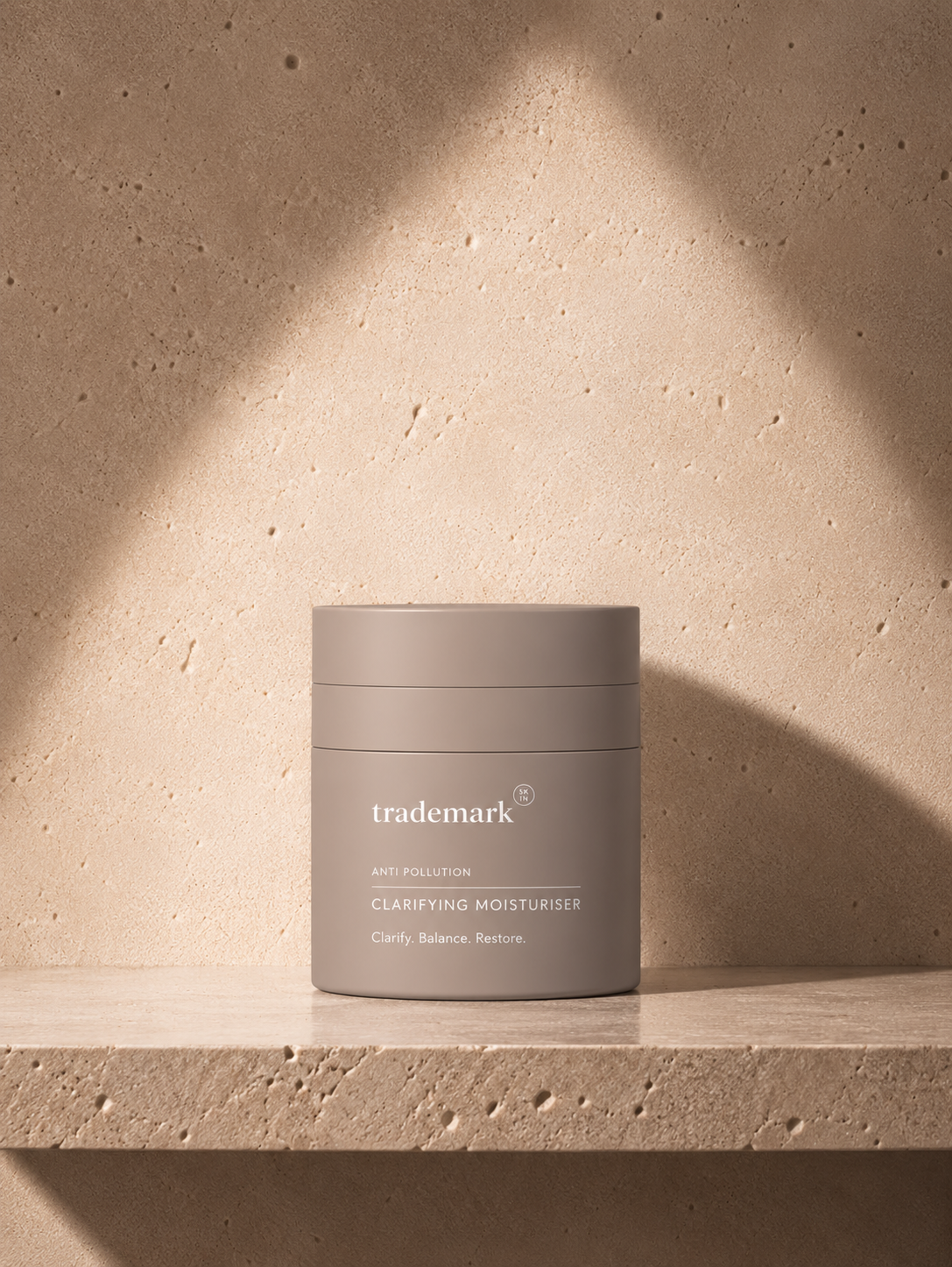
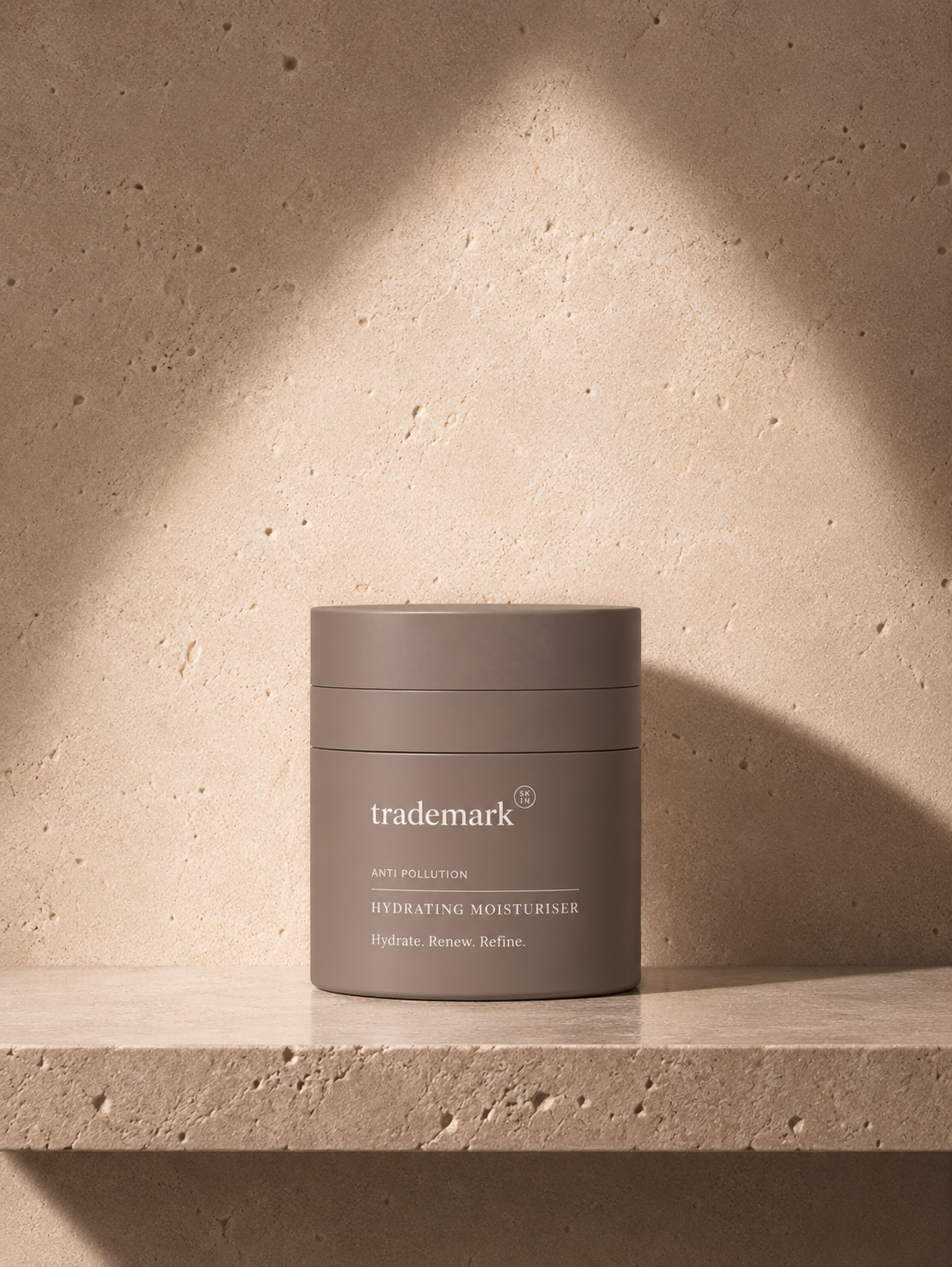
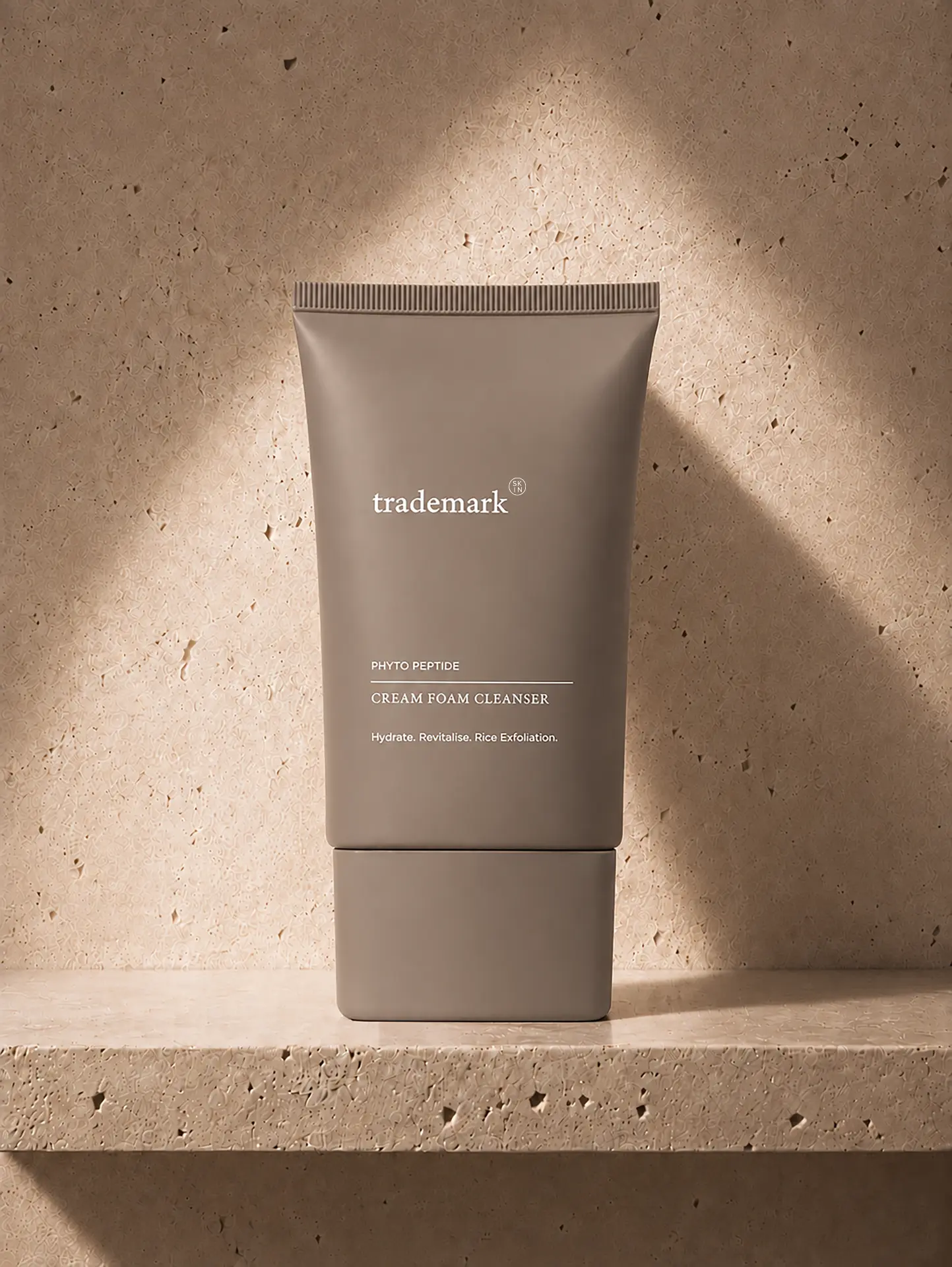
Centella biotechnology features in selected Trademark HIM and HER formulas — paired with other ingredients for their own distinct roles.
11 products
Discover
Discover
Discover
Discover
Discover
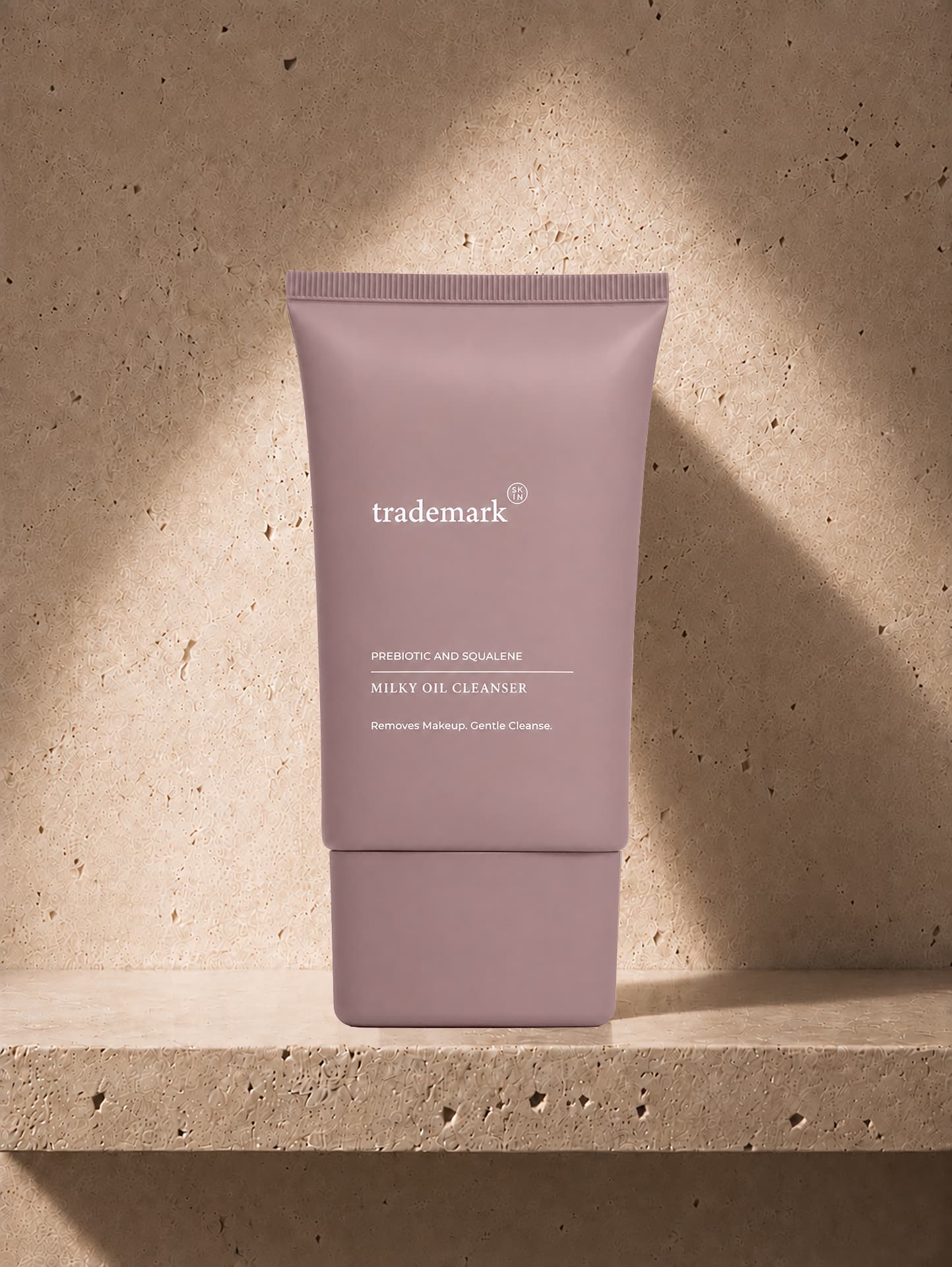
Discover
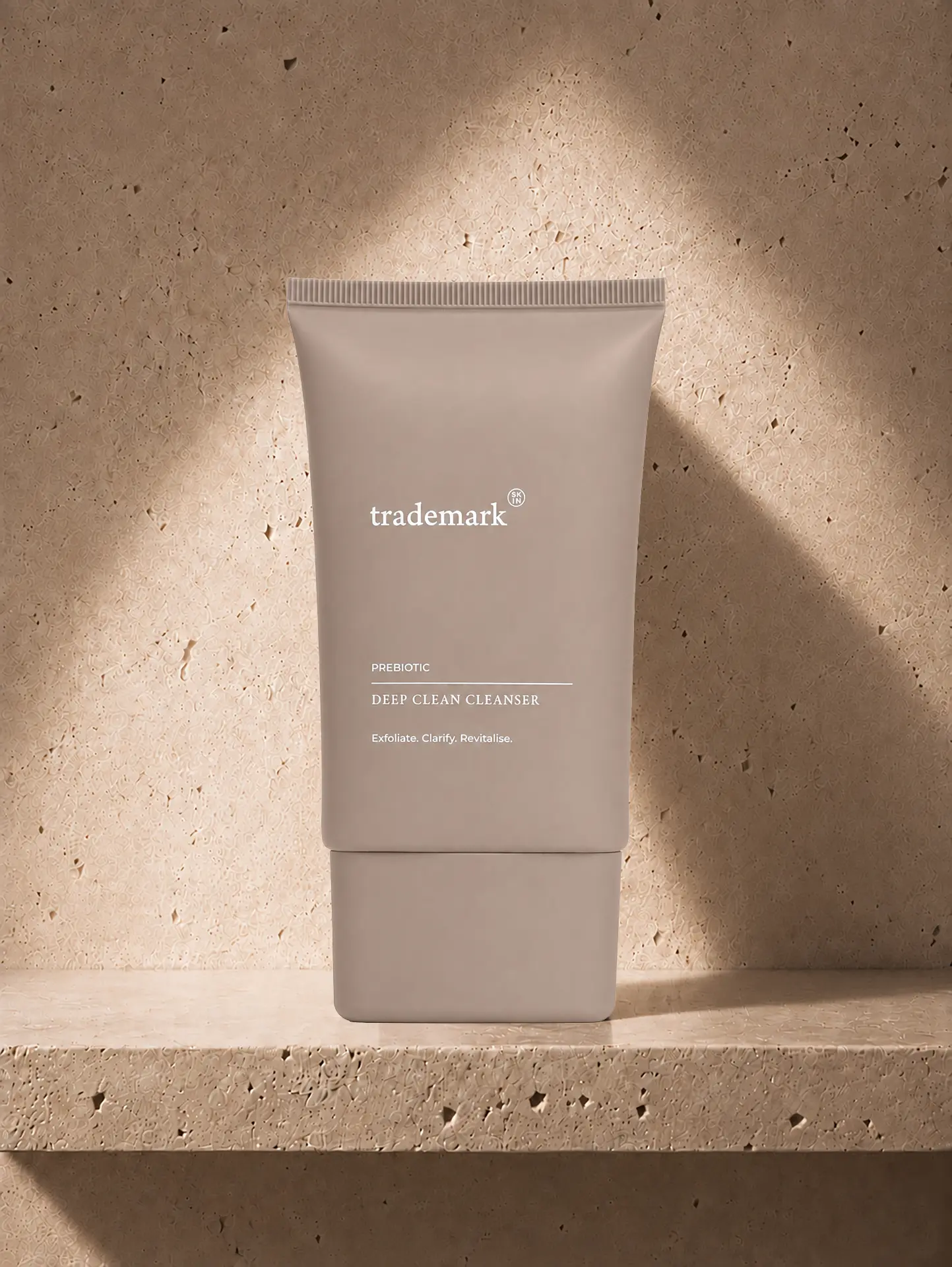
Discover
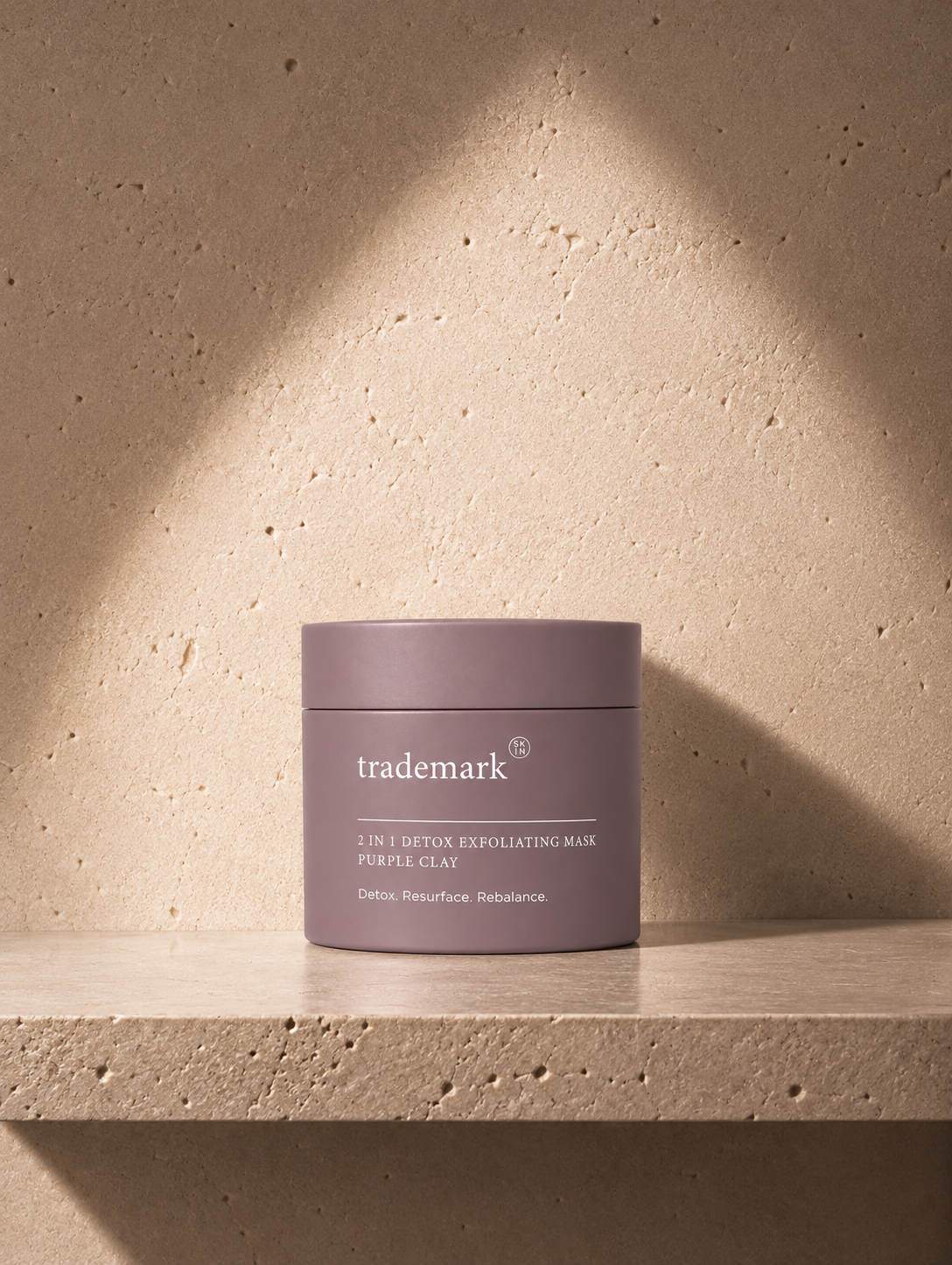
Discover
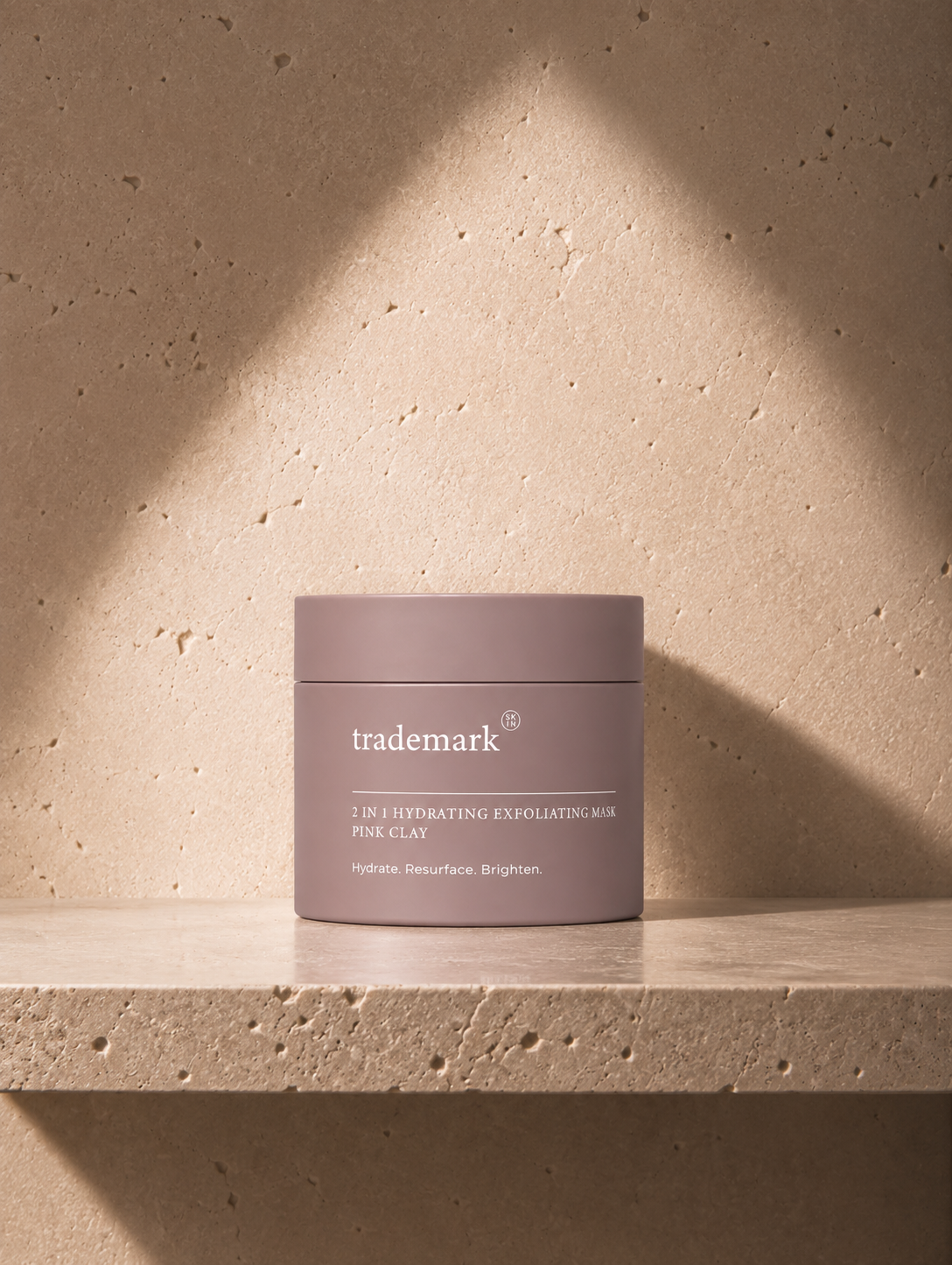
Discover
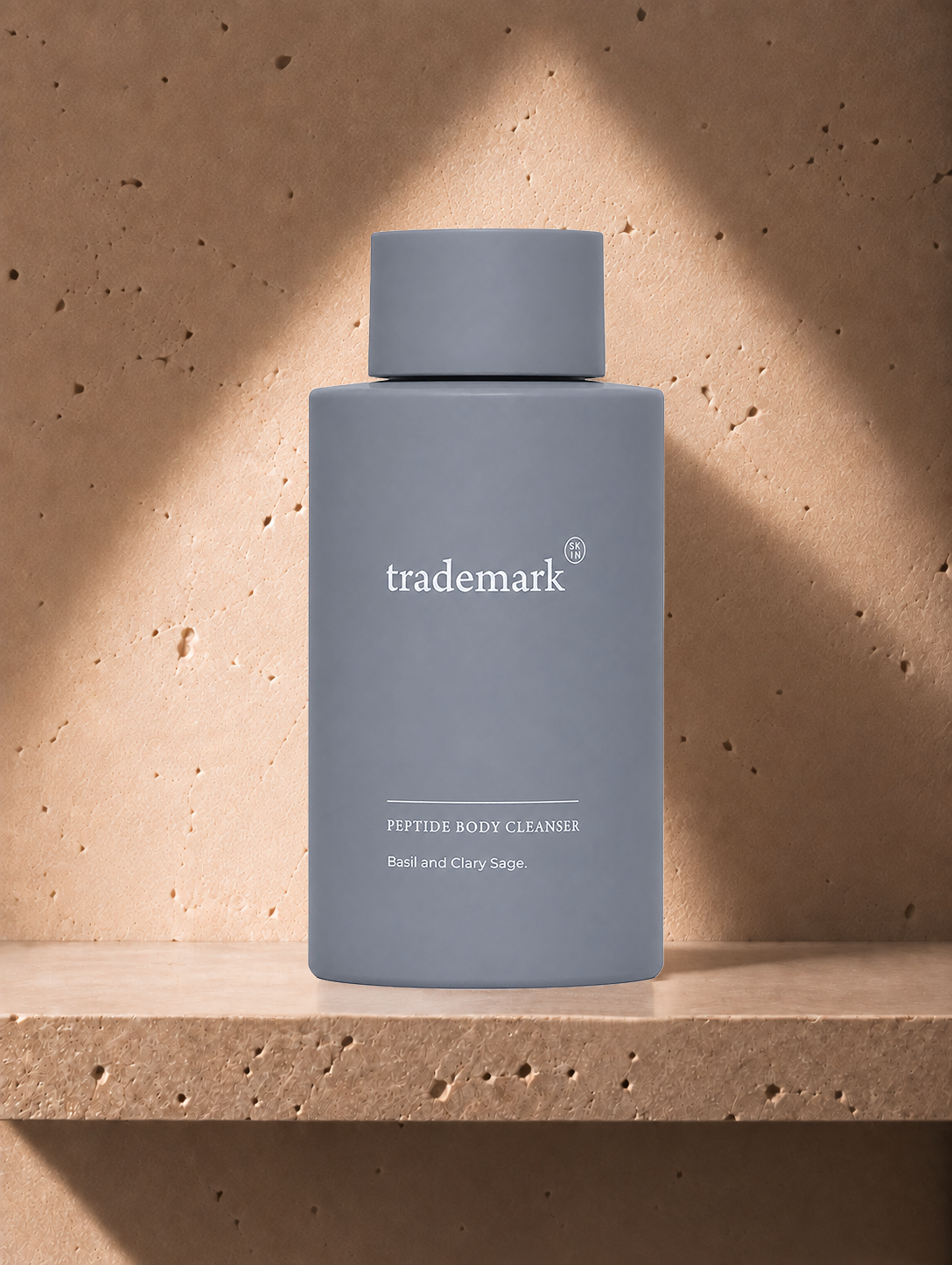
Discover
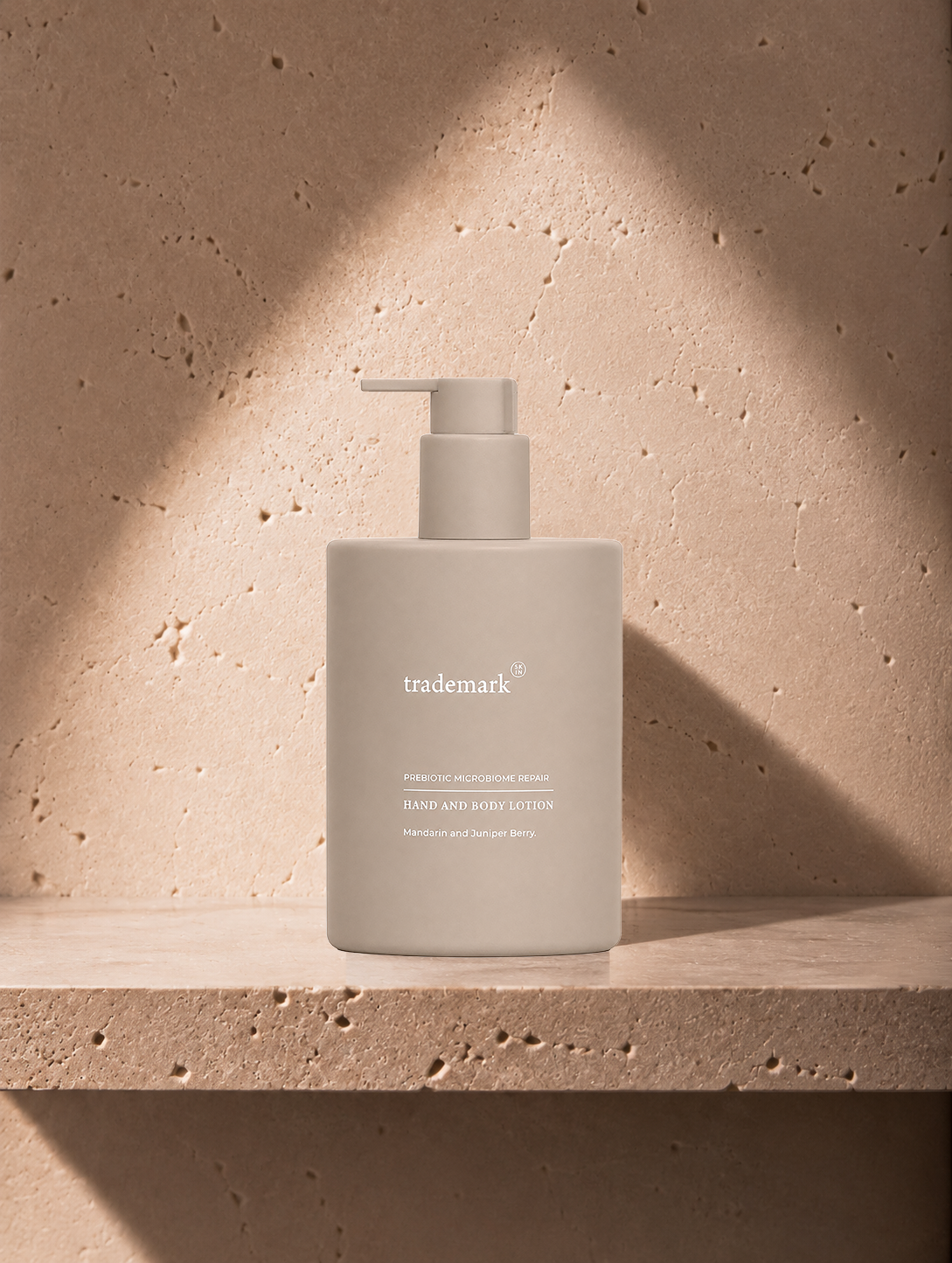
Discover
A little more clarity
Cica, gotu kola and tiger grass are names for Centella Asiatica. A traditional extract and this plant-cell active come from the same plant, but are made differently. This active is studied for its blend of peptides, exosomes and plant PDRN. An ordinary Cica extract may not contain the same blend.
No. It contains small DNA fragments, not instructions to change your genes. Researchers study how cells can use their smaller building blocks during everyday upkeep.
A plant source offers a fish-free alternative. That alone does not prove it works better. Results depend on the ingredient, its amount and how it is used. The Centella studies shown here did not directly compare plant PDRN with salmon or trout PDRN.
No living plant cells are needed for the benefits discussed here. The cultivated cells make the compounds used in skincare; they do not turn into human skin cells.
No. The study compared measured skin elasticity with an age-related reference. A lower score means the elasticity reading looked more like that associated with younger skin. It does not mean your skin’s actual age changed.